
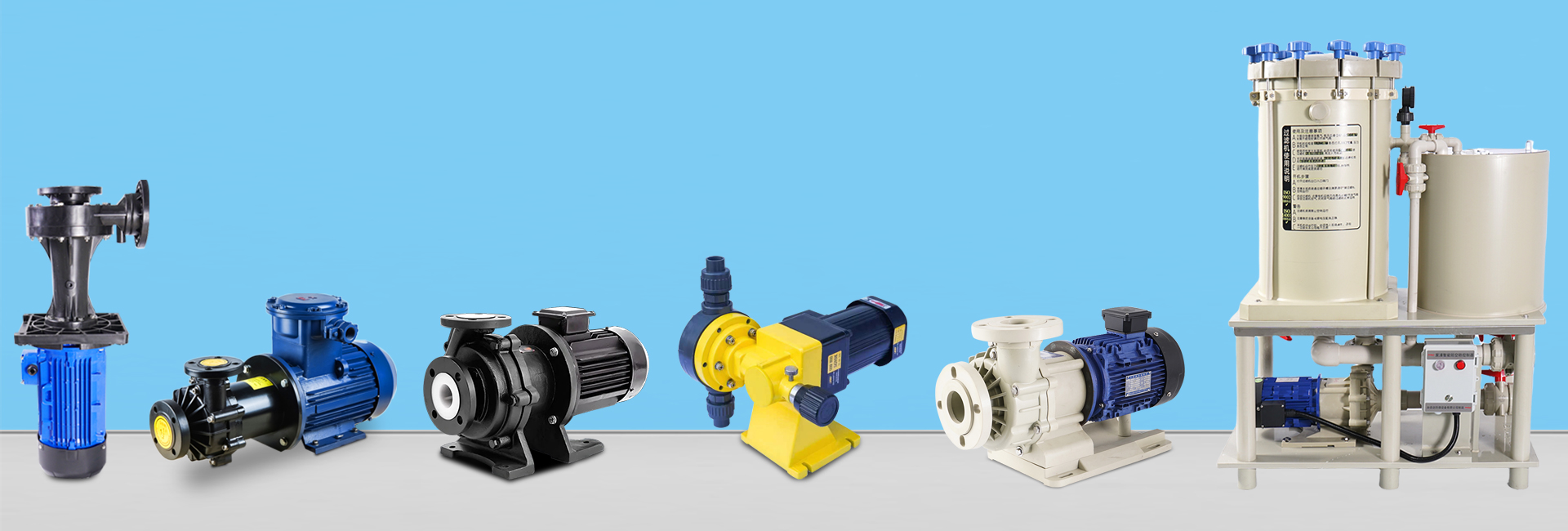
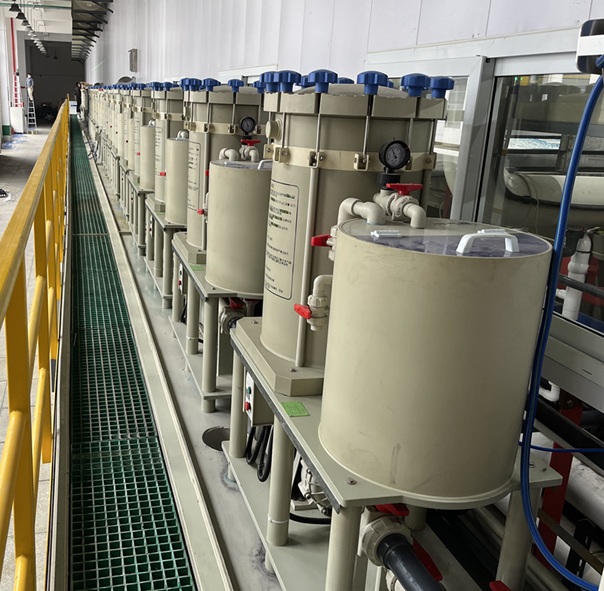
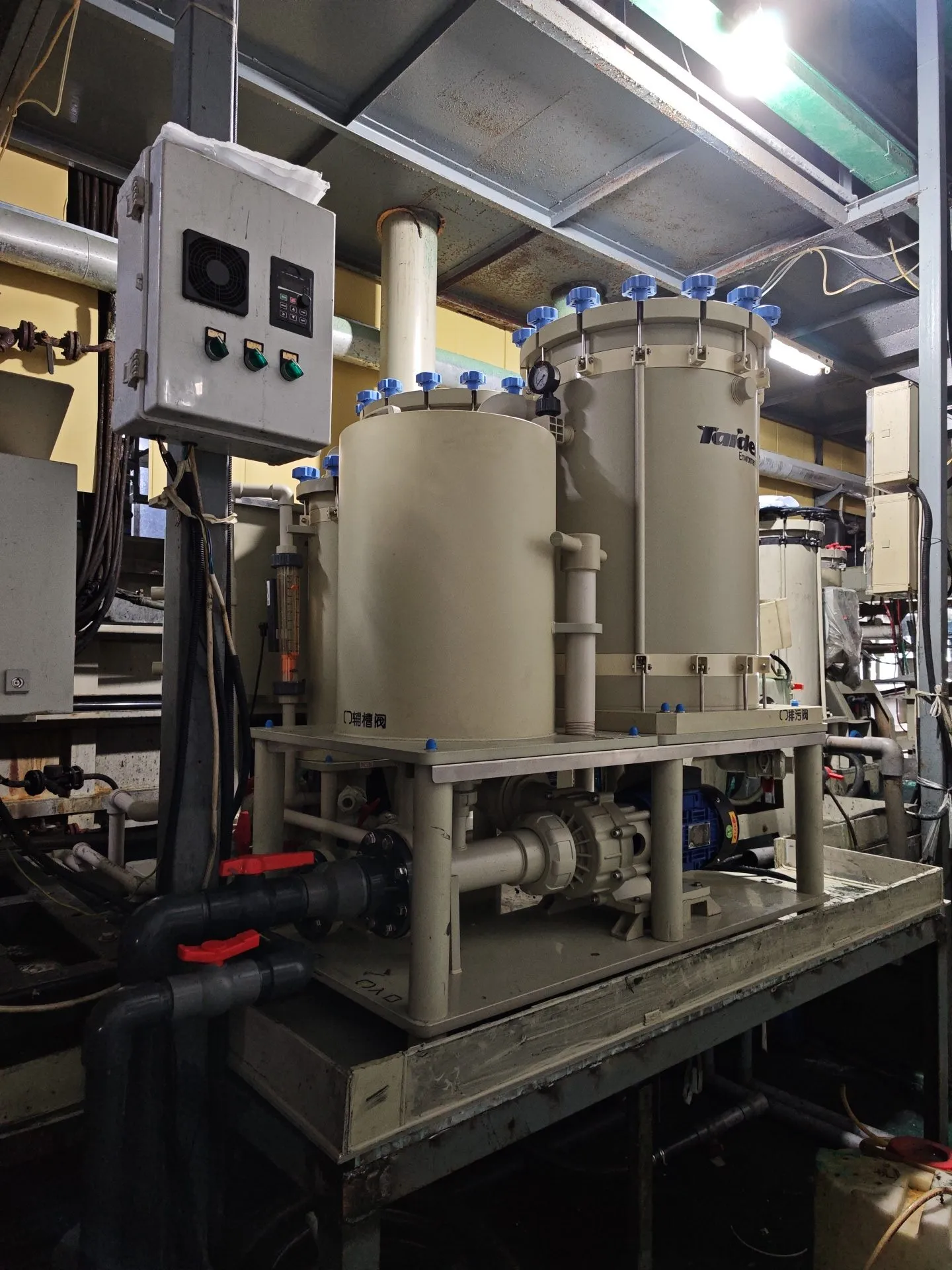
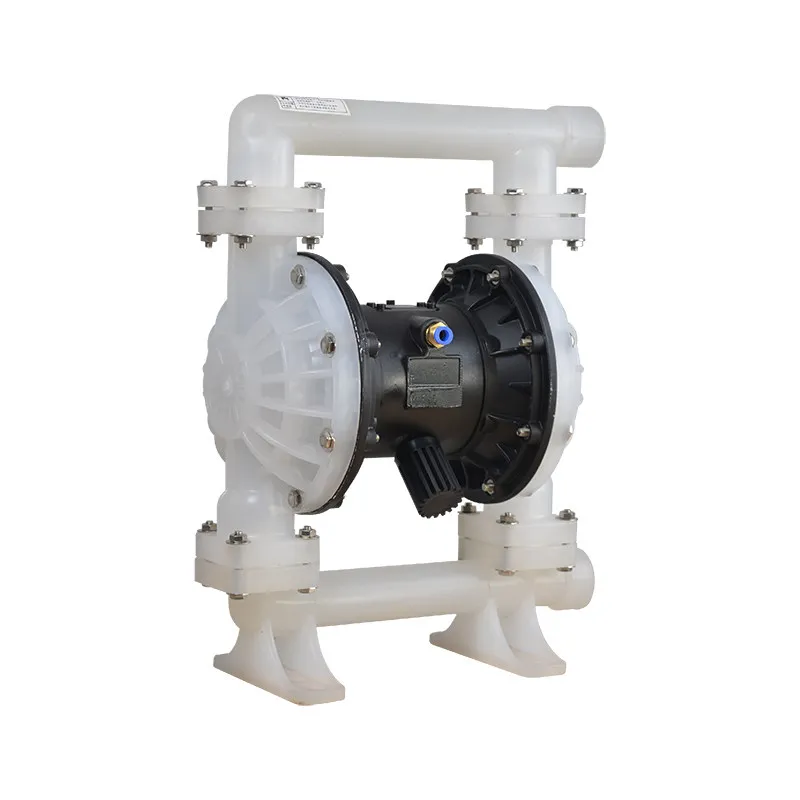
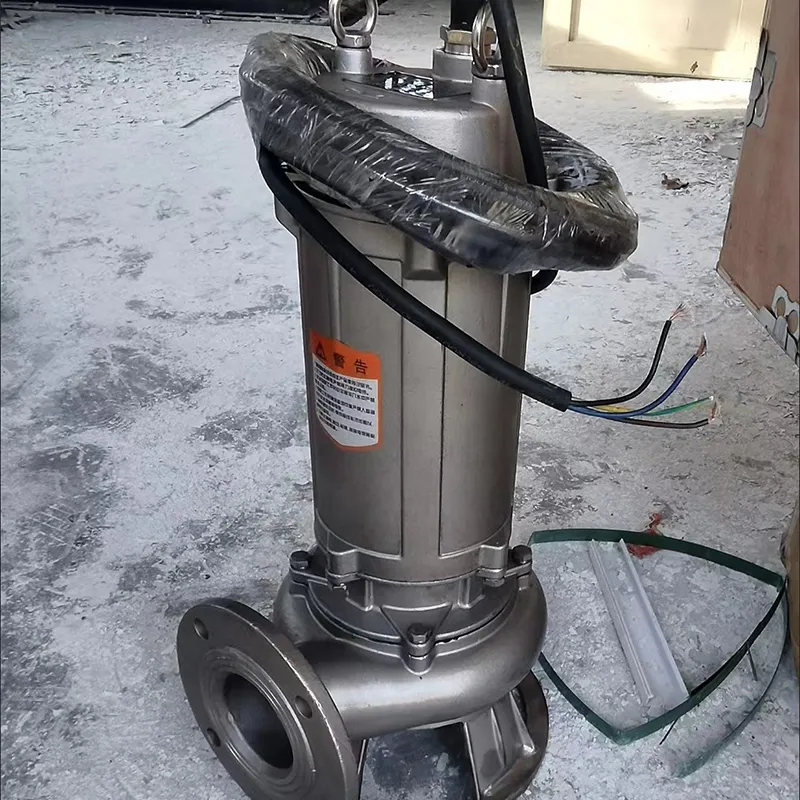
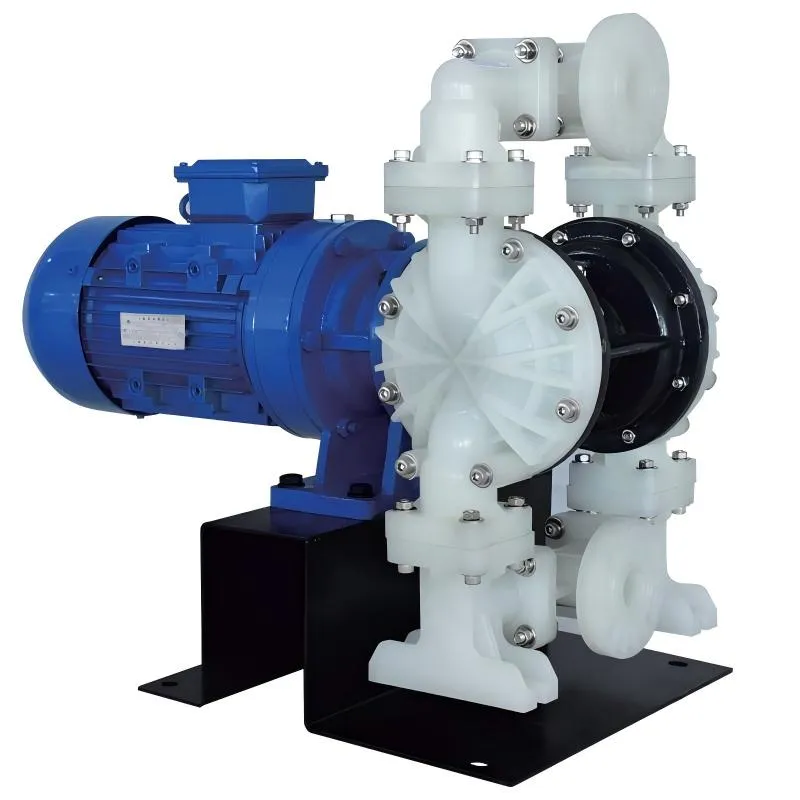

Centrifugal pumps are essential equipment in industrial production, daily life, and agricultural irrigation. As one of the most widely used fluid-transfer machines, centrifugal pumps stand out for their simple structure, high efficiency, and strong adaptability. By converting the mechanical energy of a motor into the kinetic and pressure energy of a liquid, they enable efficient transportation of fluids from one location to another and ensure the smooth operation of countless processes.
1. Definition and Basic Concepts of Centrifugal Pumps
A centrifugal pump is a mechanical device that uses a rotating impeller to convert the mechanical energy of an external power source (usually an electric motor) into liquid kinetic energy, enabling fluid transfer. The operating principle relies on centrifugal force generated by the high-speed rotation of the impeller.
Liquid enters the impeller through the central inlet called the eye of the impeller. As the impeller spins, the liquid is pushed outward along the curved blades toward the periphery, increasing both velocity and pressure. The pump casing guides the liquid, slows it down before discharge, and converts kinetic energy into pressure energy, resulting in stable fluid output.
2. Working Principle and Key Components
(1) Working Mechanism
The essence of centrifugal pump operation is energy conversion. The motor drives the pump shaft and impeller at high speeds (typically 500–5000 rpm). As the impeller rotates, the liquid between the blades gains kinetic energy and is thrown outward by centrifugal force. Inside the pump casing, the flow area gradually expands, allowing kinetic energy to convert into pressure energy, thus increasing the discharge pressure and delivering fluid to the required location.
Pump casings are mainly designed in two forms:
-
Volute casing — Features a gradually expanding curved channel for pressure conversion; suitable for fluids with suspended solids or higher viscosity.
-
Diffuser (guide-vane) casing — Uses fixed guide vanes around the impeller to improve efficiency; suitable for optimized engineering applications.
(2) Core Components and Their Functions
-
Impeller: The primary power-generating component with curved blades. It can be closed, semi-open, or open.
-
Closed impellers: Ideal for clean liquids
-
Open/semi-open: Suitable for fluids containing solids
The impeller transfers energy to the liquid and accelerates it.
-
-
Pump Casing: Guides fluid, builds pressure, and converts energy while protecting internal components.
-
Pump Shaft: Connects the impeller to the motor and transmits mechanical power.
-
Bearings & Seals: Bearings reduce friction during rotation; seals prevent leakage and ensure stable operation.
-
Suction & Discharge Ports: Define the inlet and outlet direction and connect the pump to the pipeline.
3. Classification of Centrifugal Pumps
Centrifugal pumps come in various types to meet diverse industrial and domestic needs.
(1) Classification by Structure and Installation
-
End-Suction Pump: Compact, single-end inlet; used for general flow and pressure requirements.
-
Inline (Vertical) Pump: Straight-through pipeline design; commonly used in HVAC circulation systems.
-
Multistage Pump: Multiple impellers in series to achieve high pressure; suitable for firefighting and high-rise water supply.
-
Self-Priming Pump: Can start without manual priming; overcomes the suction limitation of standard centrifugal pumps.
-
Submersible Pump: Operates underwater; ideal for drainage, sewage, and mining applications.
(2) Classification by Flow Direction
-
Radial-Flow (Centrifugal) Pump: Produces high pressure; used for high-head applications.
-
Axial-Flow Pump: Moves liquid along the shaft axis; suitable for large flow and low head.
-
Mixed-Flow Pump: Combines both axial and radial flow characteristics.
(3) Special-Purpose Centrifugal Pumps
-
Canned Motor Pump: Seal-less structure; ideal for hazardous chemicals or hydrocarbons.
-
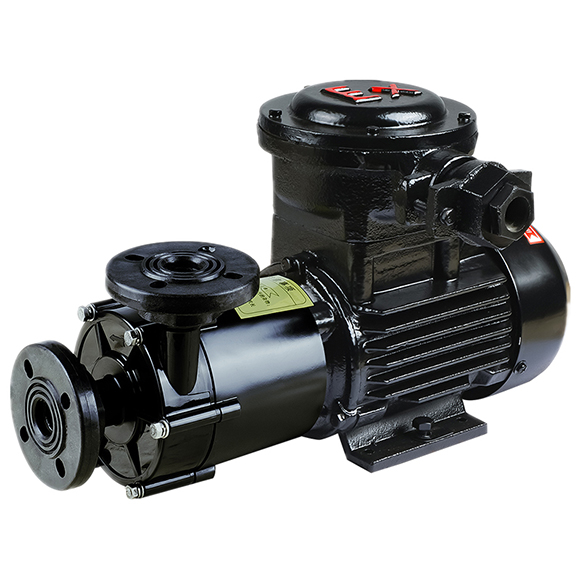
Magnetic Drive Pump: Uses magnetic coupling to eliminate leakage; widely used in chemical applications.
-
Cutting/Shredding Pump: Equipped with cutting blades to handle solids in wastewater or food processing.
-
Cryogenic Pump: Designed for LNG and ultra-low-temperature fluids.
-
Slurry Pump: Built for abrasive slurries in mining and mineral processing.
4. Applications of Centrifugal Pumps
(1) Industrial Applications
-
Chemical & petrochemical processing
-
Oil & gas extraction
-
Boiler feed and cooling systems in power plants
-
Wastewater treatment and industrial water supply
(2) Household Applications
-
Domestic water pressure boosting
-
HVAC systems for heating and cooling circulation
-
Home water supply systems
(3) Agricultural Applications
-
Irrigation using groundwater or surface water
-
Water distribution and storage systems
-
Livestock drinking systems
5. Advantages and Disadvantages
Advantages
-
High efficiency under suitable conditions
-
Simple design with fewer components
-
Low maintenance cost
-
Cost-effective and easy to install
-
Wide application range for low-viscosity fluids
Disadvantages
-
Limited suction lift; requires priming
-
Poor performance with high-viscosity fluids (over 200 cP)
-
Cannot run dry
-
Sensitive to solids unless specially designed
-
Flow rate varies with inlet pressure; not suitable for precise dosing
6. Maintenance and Troubleshooting
(1) Routine Maintenance Tips
-
Regular inspection for leakage or worn components
-
Cleaning of pump casing and filters
-
Proper lubrication of bearings
-
Electrical system checks to ensure safe operation
(2) Common Problems and Solutions
| Issue | Possible Cause | Solution |
|---|---|---|
| Cavitation | Low inlet pressure, blocked pipeline | Increase suction head, clean pipeline, lower fluid temperature |
| Low Flow | Blocked filter, worn impeller, pipeline leakage | Clean filter, replace impeller, repair leakage |
| Overheating | Poor lubrication, overload, motor issues | Add lubricant, reduce load, inspect motor |
| Excessive Leakage | Worn seals, loose connections | Replace seals, tighten bolts |
(3) Safety Precautions
-
Wear protective gloves, goggles, and safety shoes during operation.
-
Ensure proper grounding to avoid electrical hazards.
-
Disconnect power before maintenance and wait for complete stop.
7. Comparison Between Centrifugal Pumps and Positive Displacement Pumps
| Performance Parameter | Centrifugal Pump | Positive Displacement Pump |
|---|---|---|
| Viscosity Handling | Efficiency drops above ~200 cP | Efficiency increases with viscosity |
| Pressure–Flow Relationship | Flow varies with pressure | Flow remains constant regardless of pressure |
| Efficiency at High Pressure | Decreases | Increases |
| Self-Priming | Not self-priming | Naturally self-priming |
| Flow Characteristics | Continuous flow | Pulsating flow |
| Handling Shear-Sensitive Fluids | Not suitable | Ideal for shear-sensitive media |
8. Frequently Asked Questions (FAQ)
Q1: What is the working principle of a centrifugal pump?
A1: It uses a rotating impeller to generate centrifugal force, converting mechanical energy into kinetic and pressure energy to move liquid from the inlet to the outlet.
Q2: What are the main components of a centrifugal pump?
A2: Impeller, pump casing, shaft, bearings, seals, and inlet/outlet connections.
Q3: In which conditions should centrifugal pumps not be used?
A3: High-viscosity fluids (over 200 cP), high-pressure applications, precise metering tasks, or fluids containing large quantities of solids.
Q4: Why must a centrifugal pump be filled with liquid before starting?
A4: Standard centrifugal pumps cannot self-prime; priming removes air, prevents dry running, and avoids cavitation or overheating.
9. Conclusion
Centrifugal pumps play a vital role in fluid transfer across industrial, domestic, and agricultural sectors. Their simple structure, high efficiency, low cost, and broad adaptability make them one of the most important and widely used pump types in modern engineering.
Understanding their working principles, classifications, application scenarios, and proper maintenance routines helps extend service life, improve efficiency, and reduce operating costs. As technology advances, centrifugal pumps will continue to evolve in structure, efficiency, and adaptability—remaining indispensable equipment for supporting industrial and societal development.