
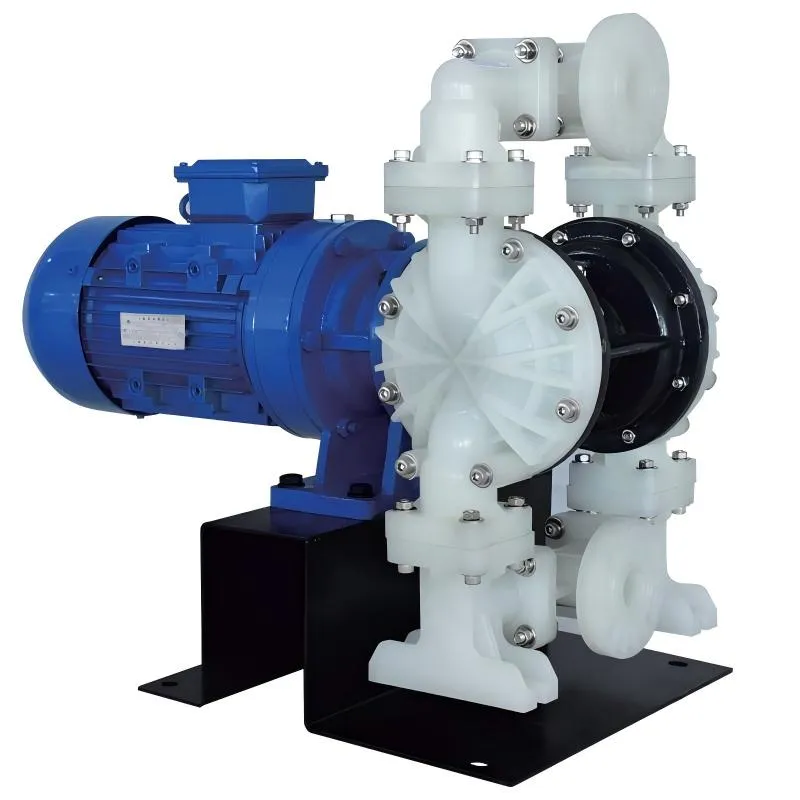

1. No Water Suction / Cannot Pump Liquid
Symptoms: The motor runs but no water comes out, or the flow rate is almost zero.
- Inlet pipe strainer or bottom valve blocked by impurities; clean pipeline and valve regularly.
- Air leakage in suction pipeline causes negative pressure air intake; tighten connectors or replace aging hoses and sealing rings.
- Pump dry running leads to mechanical seal burnout; fill pump chamber with liquid before startup and avoid idling.
- Impeller stuck by foreign objects or severely worn; disassemble for cleaning or replace the impeller.
- Motor wiring phase error and reverse rotation; swap any two power wires to correct rotation direction.
- Solution liquid level too low; keep the liquid level 5cm above the inlet port to avoid vortex air intake.
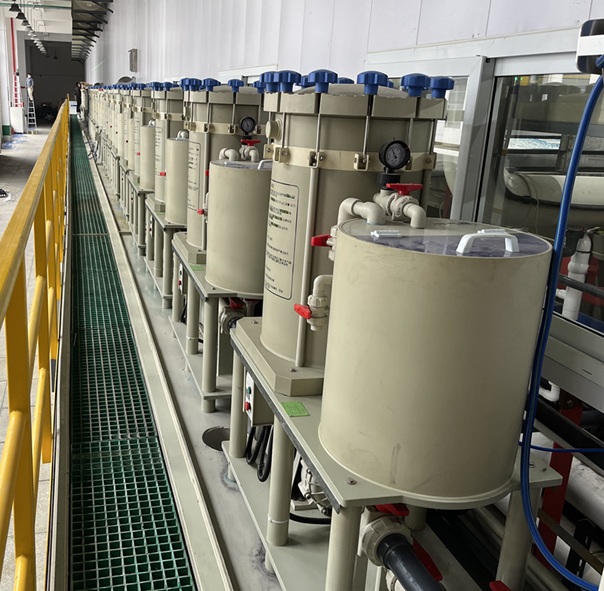
2. Low Flow Rate / Poor Liquid Discharge
Symptoms: Weak water output, poor solution circulation, and gradual pressure rise.
- Filter cartridge or filter bag clogged; clean or replace filter media when pressure difference reaches 0.2–0.3MPa.
- Air lock and internal air accumulation; open the exhaust valve before operation and close it until steady liquid flows out without bubbles.
- Pipeline bending and excessive resistance; straighten hoses, reduce elbow fittings, and clear chemical crystal deposits inside pipes.
- Excessively high filter precision; select 5–10μm for standard electroplating, 0.1–1μm for high-precision plating process.
3. Excessive Pressure / Unstable Pressure Fluctuation
Symptoms: Pressure gauge exceeds 0.3MPa, pointer jitters with unstable reading.
- Severe filter cartridge blockage; replace immediately to prevent cartridge rupture and plating solution secondary pollution.
- Outlet valve opening too small or pipeline blockage; fully open the outlet valve and clear internal sediment.
- Pipeline air leakage causing pressure instability; inspect flange and joint seals to eliminate air leakage points.
- Damaged or inaccurate pressure gauge; calibrate or replace the pressure gauge, ensure the pointer returns to zero when shut down.
4. Liquid Leakage & Seepage
Symptoms: Water dripping from tank cover, flange, pipe joints and pump body.
- Aging sealing gaskets and O-rings; replace with EPDM or FKM seals suitable for electroplating corrosive liquid.
- Loose fasteners and uneven locking; tighten tank cover bolts diagonally to avoid deformation caused by partial pressure.
- Filter tank or flange deformation; correct structure or replace damaged filter tank shell.
- Foreign matters on sealing surface; clean contact surface to ensure tight fitting without scratches.
5. Poor Filtration Effect / Particles on Plating Layer
Symptoms: Turbid plating solution, pitting, burrs and pinholes on workpiece surface.
- Damaged or expired filter cartridge; replace filter media and install in correct direction with smooth side facing inlet water.
- Insufficient filter precision; upgrade filter accuracy according to electroplating process requirements.
- Internal bypass leakage caused by missing gaskets or loose locking caps; reinstall accessories or replace damaged filter tube plates.
- Insufficient circulation flow rate; match 1–2 times tank volume hourly circulation for stable filtration.
6. Pump Overheating / Abnormal Noise / Vibration
Symptoms: Overheated pump body, loud operating noise and obvious machine vibration.
- Long-term pressure holding and overload operation; fully open the outlet valve and avoid small opening long-time running.
- Impeller friction and internal jamming; disassemble the pump to remove foreign impurities and adjust impeller clearance.
- Bearing lack of lubrication or damage; replenish grease or replace worn bearings in time.
- Magnetic pump demagnetization and eccentric operation; strictly prohibit dry running to avoid magnetic coupling damage.
7. Frequent Air Lock & Air Intake
Symptoms: Intermittent water flow, continuous bubbling from exhaust valve.
- Air leakage at suction pipe connectors and flanges; replace damaged pipes and strengthen sealing.
- Low or fluctuating solution liquid level; stabilize liquid level and keep inlet fully submerged to prevent vortex air intake.
- Loose tank cover sealing; replace aging rubber rings and lock the cover evenly.
- Neglected exhaust before startup; exhaust internal air every time before turning on the machine.
8. Short Filter Service Life / Frequent Blockage
Symptoms: New filter cartridge blocks quickly with rapid flow rate drop and pressure rise.
- Excessive impurities in plating solution; add pre-precipitation and coarse filtration procedure to reduce filter burden.
- Wrong filter material selection; PP/PTFE for acid solution, PVDF/FKM for strong alkali, special anti-oxidation filter for chromic acid plating.
- Overhigh working temperature; control temperature within 60℃ for PP material, 90℃ for PVDF material to prevent accelerated aging.
- Overrated flow operation; match filter model reasonably to avoid excessive flow speeding up impurity deposition.
9. Daily Quick Inspection Checklist
- Maintain sufficient liquid level, inlet submerged at least 5cm without vortex.
- Normal working pressure: 2–5psi; replace filter when pressure difference over 0.25MPa.
- Inspect tank cover, flange and all joints for no liquid leakage.
- Exhaust air completely before formal operation each time.
- Check abnormal noise and temperature, keep pump body temperature below 70℃.
10. Model Selection & Usage Tips
- Material Matching: PP/PVC for acid liquid, 304/316L stainless steel for alkaline liquid, PVDF/PTFE for high temperature and strong corrosion.
- Precision Matching: 5–10μm for general electroplating, 0.1–1μm for high-end precious metal plating.
- Flow Matching: 1–2 times tank volume circulation per hour for standard configuration.
- No Dry Running: Always fill the pump chamber with liquid before startup to protect mechanical seal and magnetic pump components.