
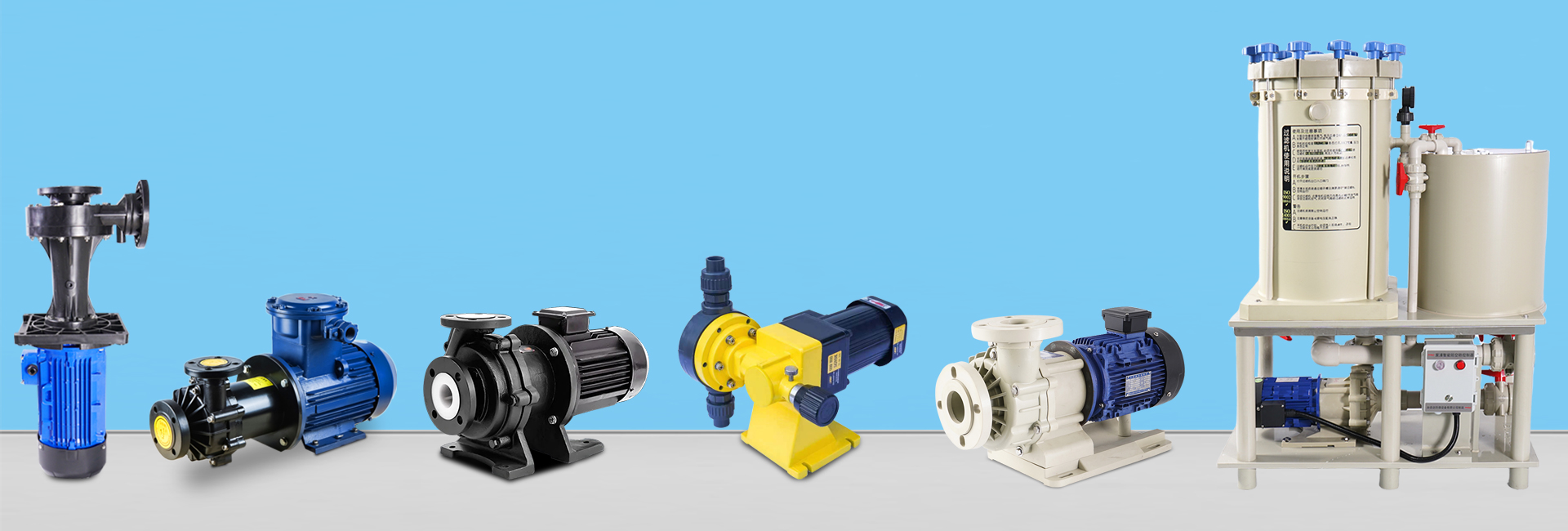
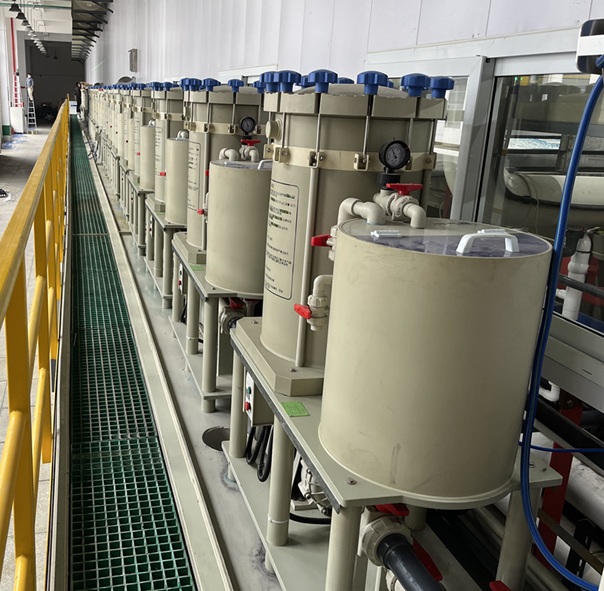
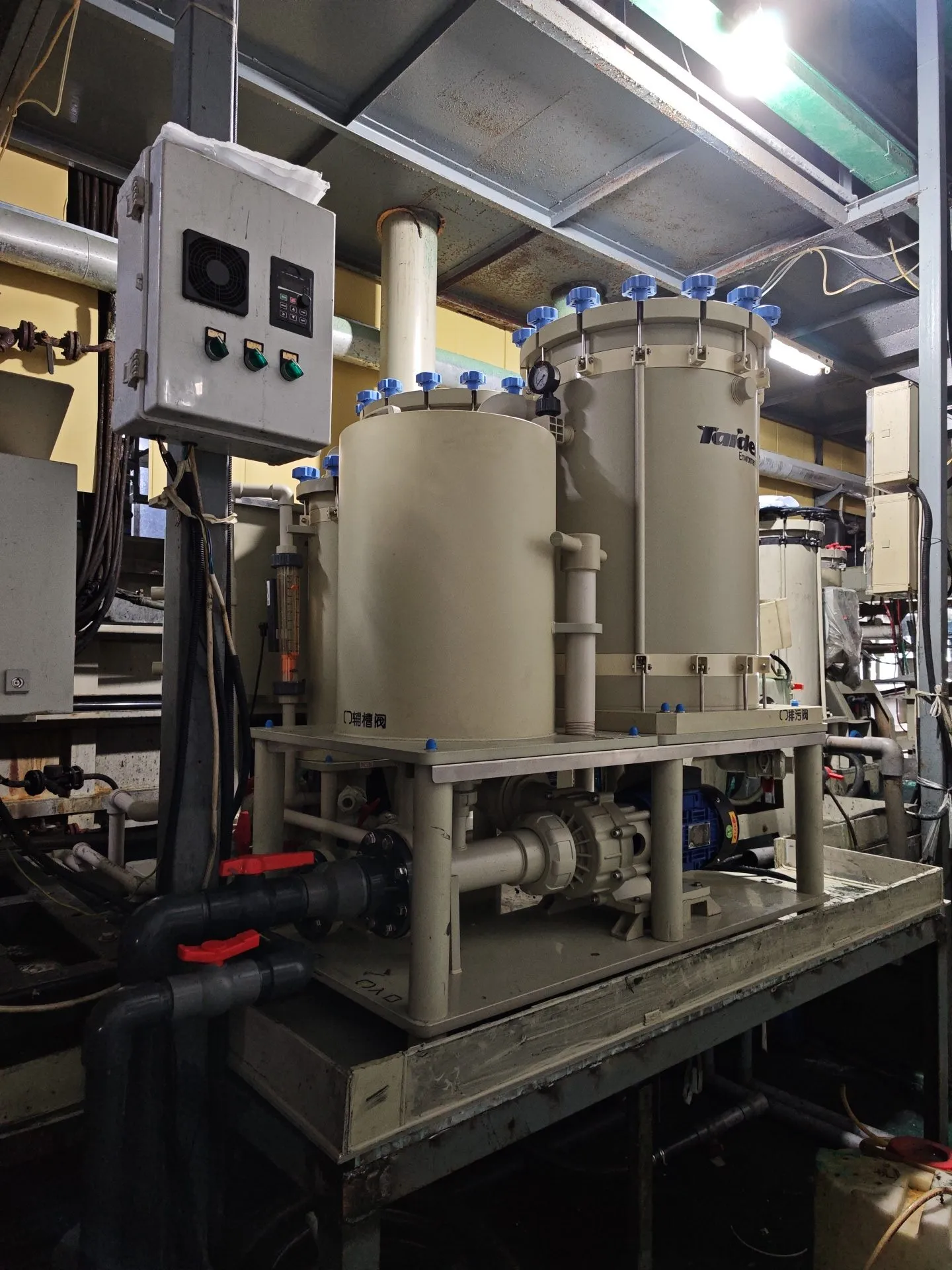
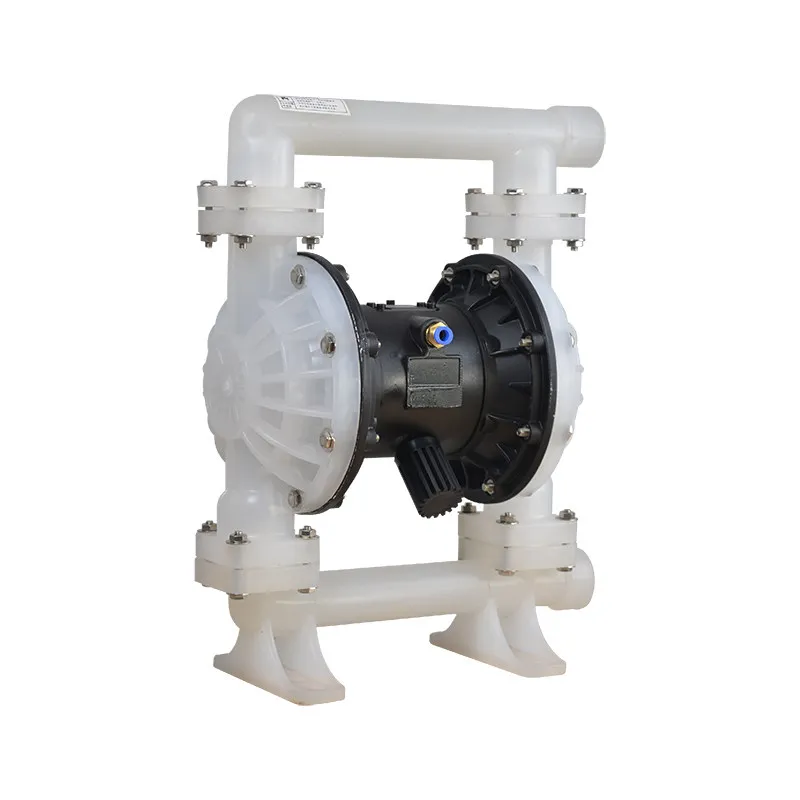

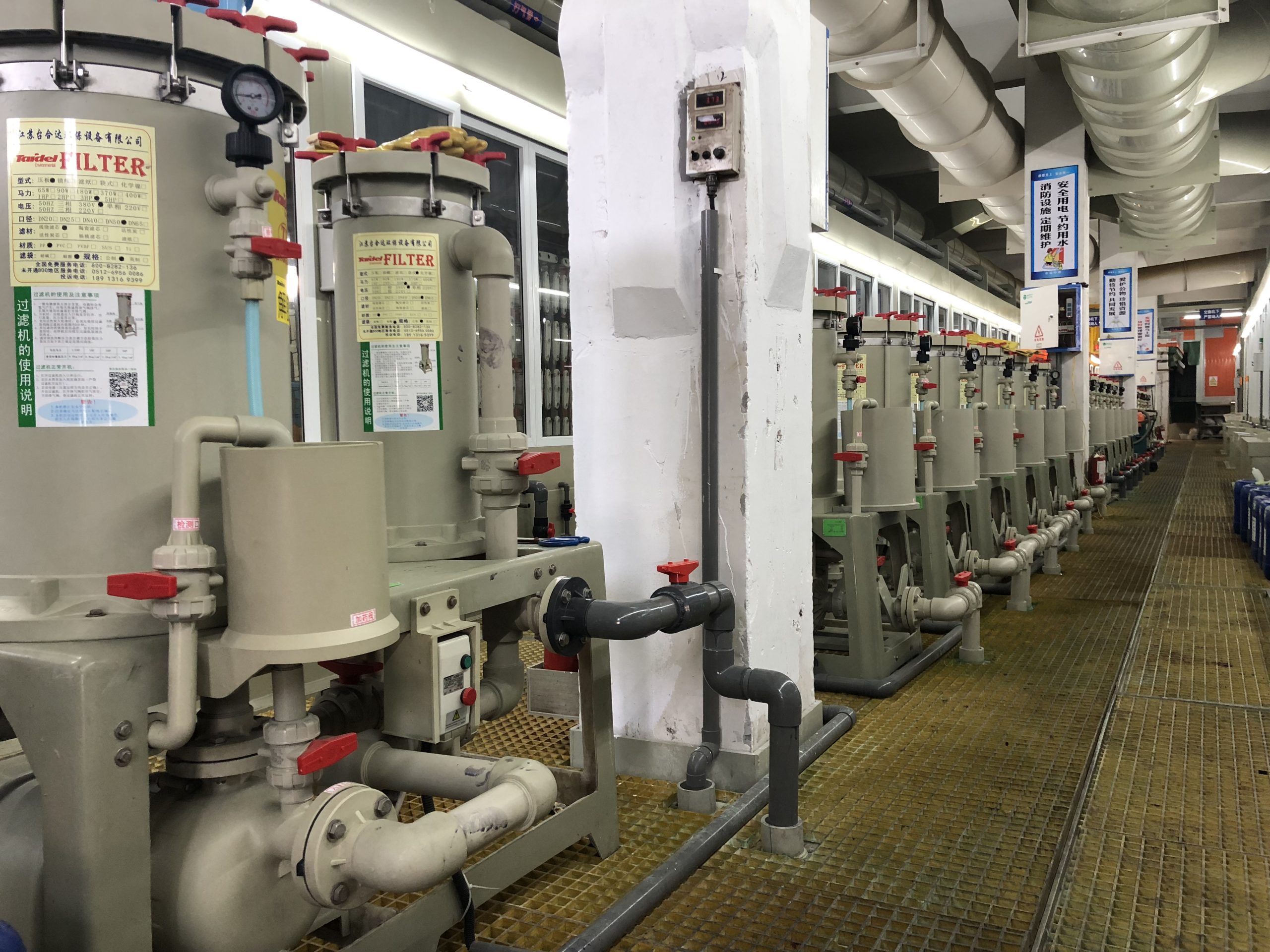
Electroplating filter machines are indispensable in the PCB industry, serving to guarantee the yield of high-precision plating layers, stabilize plating solution, cut production costs and meet environmental compliance standards. Impurities will directly cause PCB open/short circuits and product scrapping, making mass production of high-density and fine-line PCBs impossible.
1. Sources of Impurities in PCB Electroplating
- Copper powder & metal debris: Peeling residues from board surface and hole walls, anode slime.
- Solid particles: Dust, fiber, carbon residue, undissolved chemical salts.
- Organic substances: Oil contamination, decomposed by-products of plating additives, dissolved photoresist residues.
- Other contaminants: Equipment wear debris, hanger fragments, residual ions from micro-etching and activation processes.
Imparticles as tiny as 0.5–5μm are fatal to PCBs, while the line width and aperture of mainstream PCBs are often ≤50μm, even below 10μm.
2. Consequences Without Electroplating Filtration
- Inner hole defects & open circuits: Particles block holes and form nodules, breaking interlayer connection and leading to direct scrapping.
- Circuit short circuits & burrs: Adhered particles cause plating protrusions and edge burrs, resulting in line-to-line short circuits after etching.
- Rough plating, pinholes & pitting: Uneven surface, poor solderability and reduced corrosion resistance, causing reliability failure.
- Uneven plating thickness (dog-bone effect): Impurities interfere with current distribution, leading to thicker edges and thinner centers, and unstable electrical performance.
- Accelerated plating solution aging: Accumulated organic matter invalidates additives and decomposes plating solution, forcing frequent solution replacement and soaring costs within 3–6 months.
3. Core Functions of Electroplating Filter Machines
1. Quality & Yield Assurance (Core Value)
- High-precision interception: 0.1–5μm PTFE/PP filter cartridges trap harmful fine particles to ensure smooth hole walls and flat circuit lines.
- Activated carbon adsorption: Removes organic contaminants and decomposed impurities, stabilizes plating additives, and improves plating toughness and solderability.
- High-flow circulation: The tank solution circulates 2–5 times per hour, balancing concentration and temperature, eliminating concentration polarization and ensuring uniform plating thickness.
2. Stabilize Plating Solution & Extend Service Life (Cost Reduction)
- Continuous filtration prolongs plating solution service life by 3–5 times, reducing solution replacement, wastewater discharge and production downtime losses.
- Restrains accumulation of impurity metal ions (Fe³⁺, Pb²⁺, etc.), prevents plating solution poisoning, and maintains stable current efficiency and plating performance.
3. Adapt to Special PCB Process Requirements
- PTH Through-hole Plating: Works under 80–90℃ high temperature and ultra-small aperture (≤0.3mm), adopting high-temperature resistant and high-precision filtration to avoid inner hole nodules.
- Pattern Plating: Suitable for fine lines (≤50μm) and high current density; sub-micron filtration plus activated carbon prevents burrs and short circuits.
- Vertical Continuous Plating (VCP): 24-hour uninterrupted operation with large tank volume, adopting high-flow & high-lift design with non-stop cartridge replacement.
- Precious Metal Plating (Gold/Silver): All-plastic structure avoids metal ion contamination and loss of precious metals.
4. Environmental Protection & Compliance
- Reduce waste plating solution discharge and hazardous waste disposal costs, complying with environmental regulations.
- Lower consumption of fresh water and chemical reagents via circulating filtration, conforming to green manufacturing standards.
Brief Summary
The electroplating filter machine is the lifeline for mass production of high-density fine-line PCBs. Without it, product yield will drop to an unviable level; with it, manufacturers can stabilize yield, extend plating solution life, control costs and achieve compliant production.