
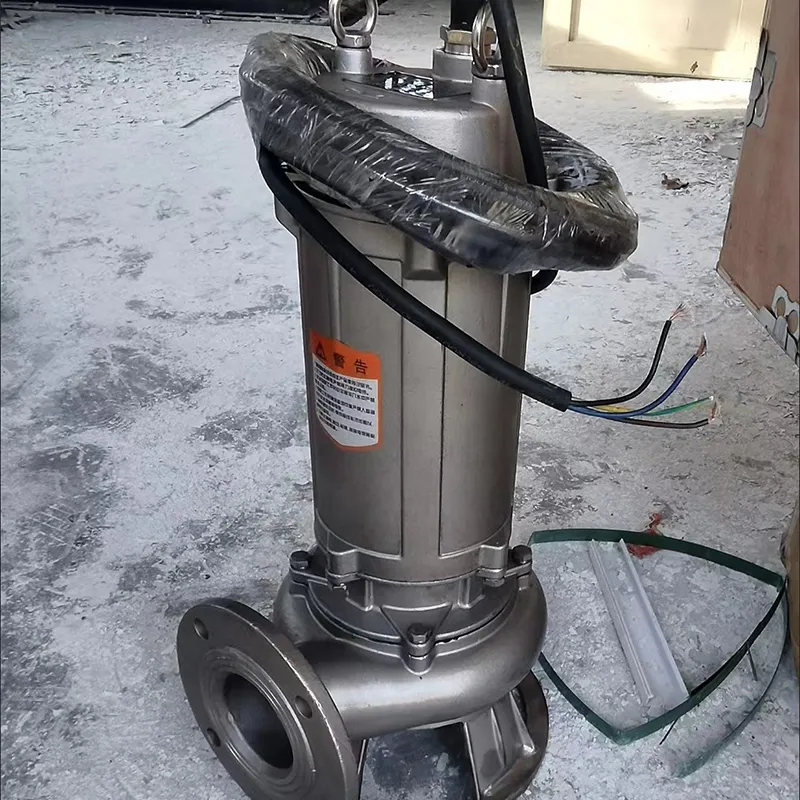
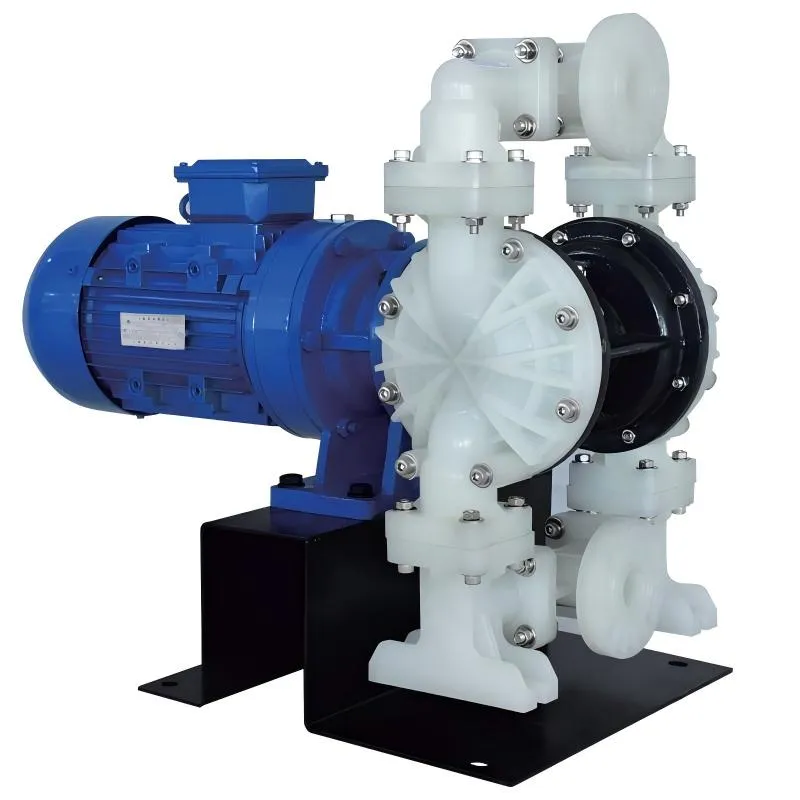

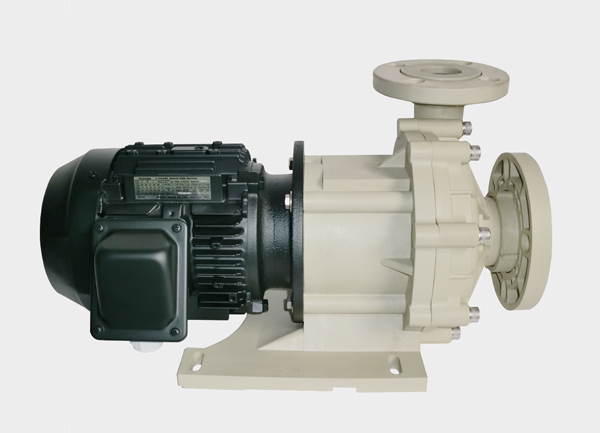
Low pressure in a centrifugal pump is a common issue that can occur due to improper installation, system design, or component failure. Understanding the possible causes and taking corrective measures is key to restoring normal operation.
? 1. Common Causes of Low Pressure
1. Air Leakage in the Suction Line
If the suction pipe, flange, or seal leaks air, air bubbles may form inside the pump casing, reducing pressure output.
-
Symptoms: Fluctuating pressure, air noise, or vibration during operation.
2. High Suction Lift or Low Liquid Level
When the liquid level at the suction side is too low, cavitation or insufficient suction may occur, resulting in low pressure.
3. Impeller Wear or Blockage
A worn, corroded, or clogged impeller cannot efficiently transfer energy to the fluid, leading to reduced discharge pressure.
4. Insufficient Pump Speed
Low motor speed caused by voltage drops, incorrect frequency settings on the inverter, or belt slippage will directly reduce pump pressure.
5. High Resistance in the Discharge Line
Scaling, partially closed valves, or mismatched pipe diameters increase flow resistance and pressure losses.
6. Improper Pump Selection
If the selected pump has a head that is too low for the system requirements, it will naturally result in insufficient discharge pressure.
? 2. Solutions and Troubleshooting Steps
1. Check the Suction Line for Air Leaks
Inspect all flanges, packing glands, and joints to ensure they are airtight.
Use a vacuum gauge to check if the suction pressure remains stable during operation.
2. Adjust Suction Lift and Liquid Level
Keep the suction height within the recommended range (generally below 5 meters).
Raise the liquid level or lower the pump installation height to prevent cavitation.
3. Inspect the Impeller and Pump Casing
Disassemble the pump to clean out any debris or blockages in the impeller.
Replace the impeller if it is significantly worn or corroded.
4. Verify Motor Speed and Power Supply
Check the motor’s voltage, current, and speed.
If a frequency converter is used, confirm that the frequency is set correctly.
5. Clean and Adjust the Discharge Pipeline
Ensure all discharge valves are fully open and functioning properly.
Clean any scale buildup inside the pipeline and check for jammed check valves.
6. Reevaluate Pump Selection
If the system requires a higher head, consider replacing the pump with a higher-pressure model or installing pumps in series.
?️ 3. Preventive Maintenance Tips
-
Regularly inspect and maintain the impeller, bearings, and seals to ensure smooth operation.
-
Install a strainer or filter at the pump inlet to prevent solid particles from entering.
-
Avoid running the pump dry or under low liquid levels to prevent cavitation damage.
-
Monitor inlet and outlet pressure using gauges to detect early signs of pressure loss.
Conclusion:
Low pressure in a centrifugal pump can result from various mechanical or operational issues. By systematically inspecting the suction system, impeller, motor, and discharge line, you can identify the root cause and restore normal pressure efficiently. Regular maintenance and correct installation are essential to keeping your centrifugal pump running at optimal performance.