
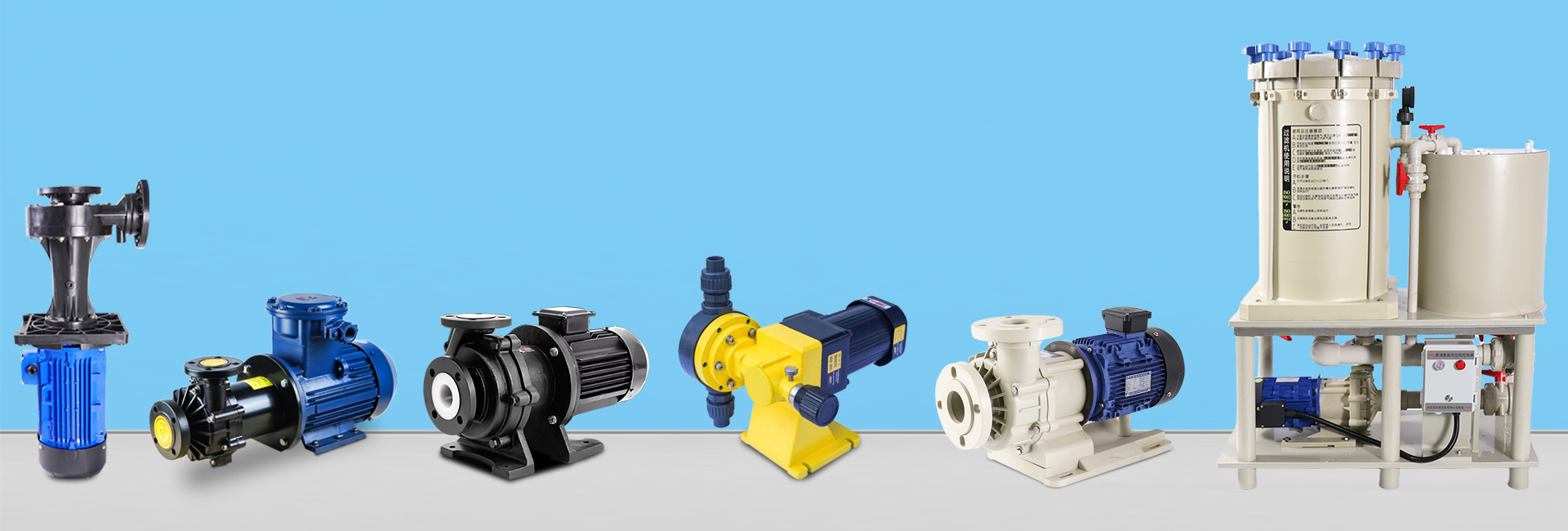
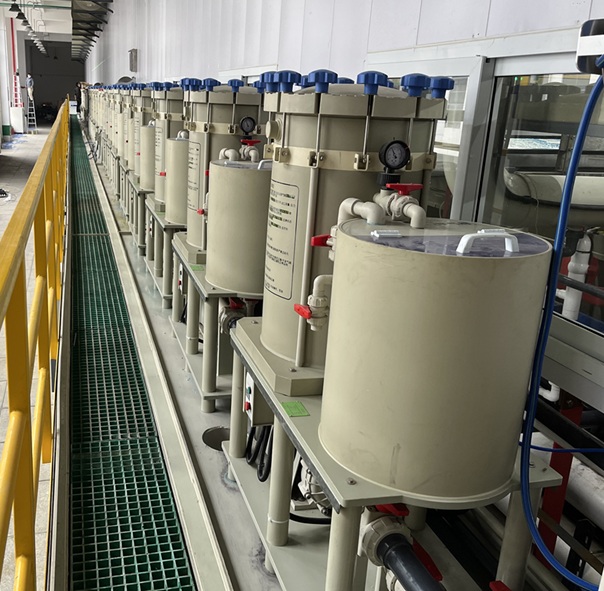
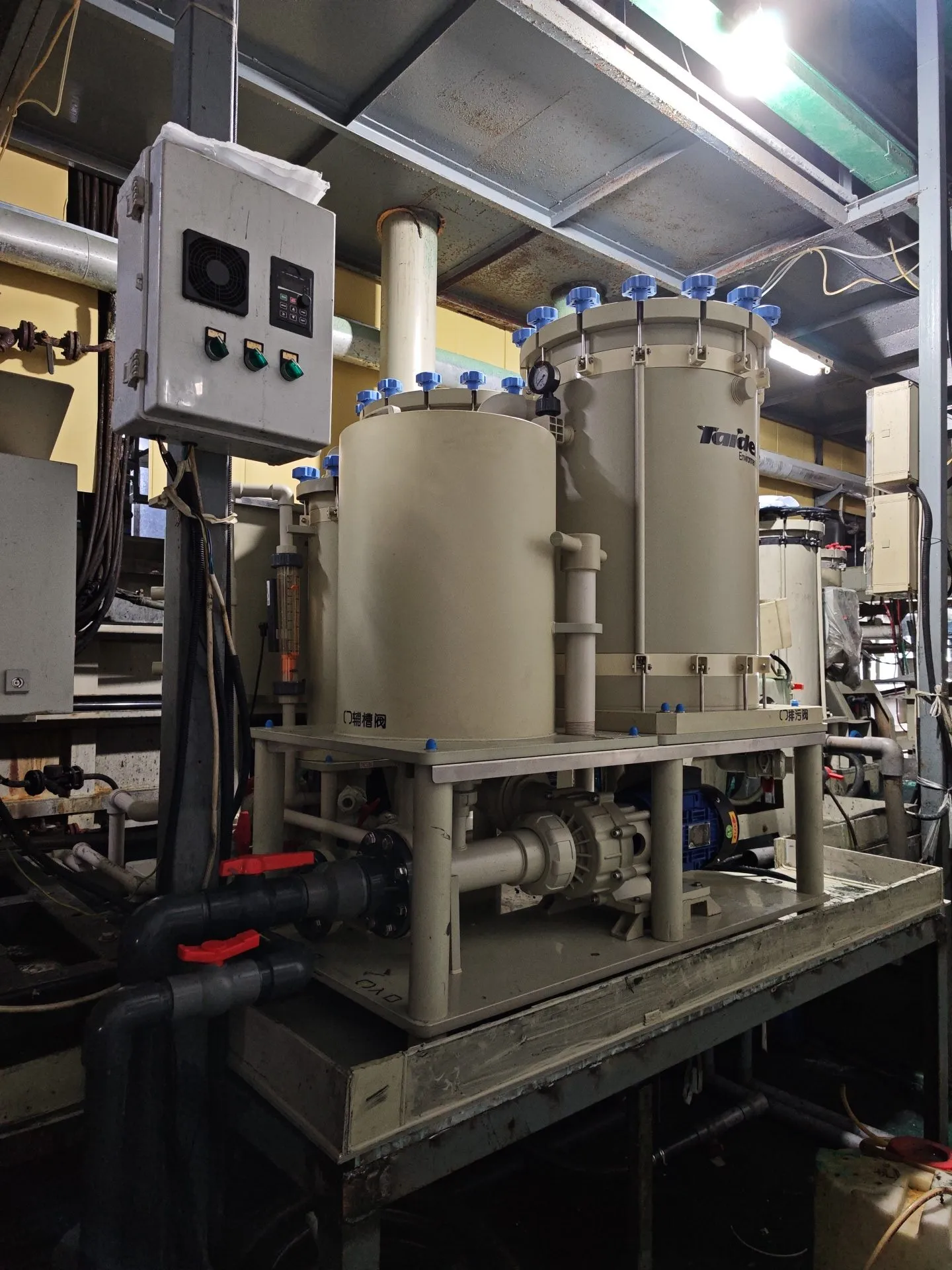
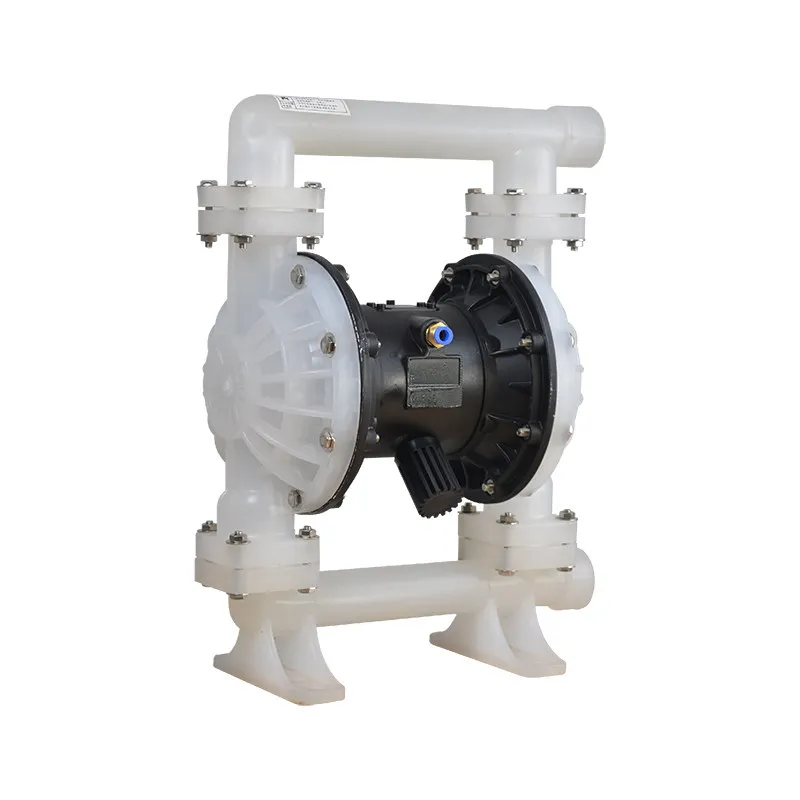
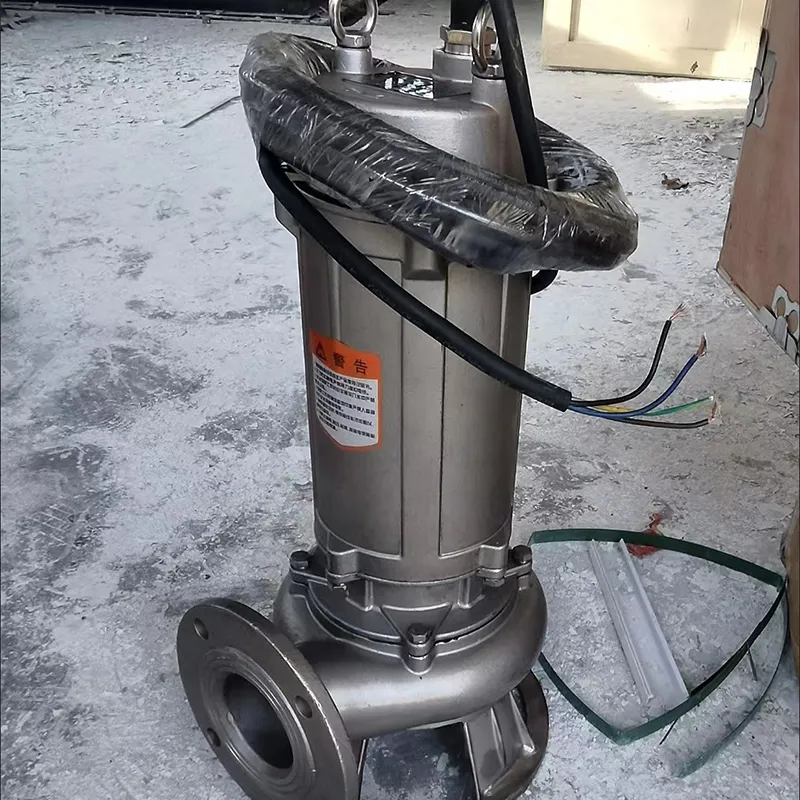
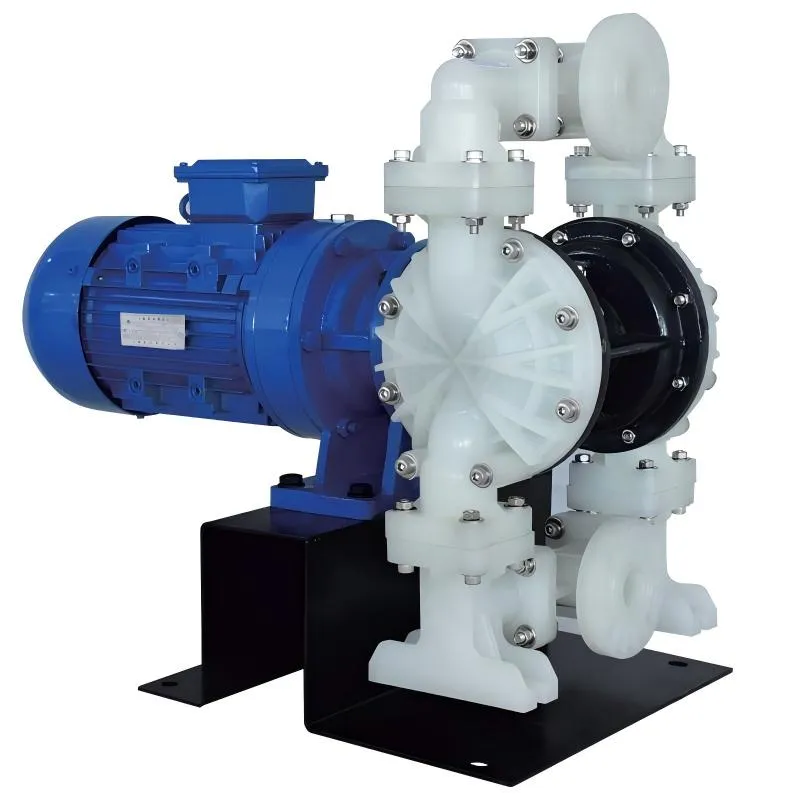

Magnetic drive centrifugal pumps are leak-free fluid transfer devices that replace traditional mechanical seals with magnetic coupling, eliminating dynamic seal leakage risks. They are widely used in hazardous, corrosive, toxic, high-purity, and flammable fluid applications. This guide covers principle, structure, key systems, performance, selection, maintenance, and special types.
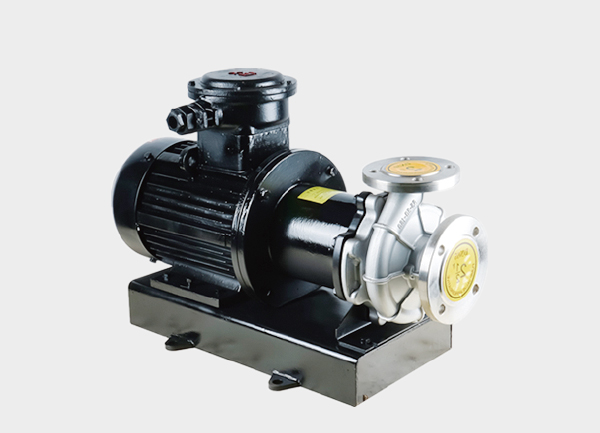
1. Working Principle – Contactless Magnetic Coupling
MDCPs transmit power without direct contact between the motor and pump shaft. Key steps:
-
Power transmission path:
-
Drive side (outer magnet): Motor rotates an outer rotor with permanent magnets outside the pumped fluid.
-
Magnetic coupling through isolation sleeve: Rotating magnetic field penetrates a non-contact isolation sleeve, transmitting torque to the inner rotor.
-
Execution side (inner magnet + impeller): Inner rotor and impeller rotate synchronously, pumping the fluid.
-
-
Magnetic field & eddy current considerations:
-
Magnet materials: NdFeB for ≤120°C; SmCo for ≥200°C.
-
Eddy currents: Metal isolation sleeves may generate heat and reduce efficiency; non-metallic sleeves (PTFE, PVDF) avoid this but are limited to low-pressure applications.
-
2. Key Components & Material Selection
Static components:
-
Pump casing: Material depends on corrosion & temperature: PVDF/PTFE, Hastelloy C, 316L stainless steel, titanium, or alloy steels.
-
Isolation sleeve: Ensures no leakage; materials range from PTFE (low-pressure acids) to titanium or Hastelloy (high-pressure, corrosive fluids).
-
Pump cover/supports: Typically match casing materials.
Rotating components:
-
Inner rotor: NdFeB/SmCo magnets + steel flux ring + protective layer.
-
Outer rotor: Similar to inner rotor; outer casing protects against wear.
-
Impeller: Closed, semi-open, or open, matched to fluid type.
-
Pump shaft: Material selected based on corrosion and wear resistance.
Support & auxiliary systems:
-
Sliding and thrust bearings: Usually self-lubricating (SiC or graphite) to avoid contamination.
-
Cooling/heating jackets: For extreme temperature fluids.
-
Leak detection & filters: Ensure operational safety and protect bearings.
3. Magnetic Coupling & Seal Protection Systems
-
Magnetic coupling types:
-
Synchronous: Outer and inner rotors rotate at the same speed; high efficiency (95%-98%). Overload protection required.
-
Asynchronous: Slight slip (1%-5%), suitable for high-viscosity or intermittent operations; efficiency ~90%-93%.
-
-
Leak-proof system:
-
Primary: Isolation sleeve seals the fluid.
-
Secondary: Static gaskets (PTFE/metal) prevent leakage at joints.
-
Tertiary: Leak detection sensors alert operators before significant loss occurs.
-
4. Performance Features
Advantages:
-
True leak-free operation (suitable for VOCs, toxic, and flammable fluids).
-
Excellent corrosion resistance (materials: PVDF, titanium, Hastelloy).
-
Low vibration and noise (≤75dB).
-
Reduced maintenance and longer MTBF (≥8000 hours).
Limitations:
-
Slightly lower efficiency due to eddy currents (3%-8%).
-
Temperature and pressure limits dictated by magnet type and isolation sleeve.
-
Not suitable for fluids with large particles (>0.1mm) or high gas content (high NPSH required).
5. Typical Applications
| Industry | Fluids | Material Recommendations |
|---|---|---|
| Chemical | HCl, H₂SO₄, organic solvents | 316L / Hastelloy C, titanium sleeve |
| Pharmaceutical | Drug solutions, pure water | 316L polished, hygienic design |
| Environmental | Heavy metal wastewater, slurry | Duplex steel 2205, Hastelloy C sleeve |
| Food | Juices, syrups, dairy | 316L food-grade, PTFE/Ti sleeve |
| New Energy | Battery electrolytes, HF cleaning | PVDF/PTFE sleeve, corrosion-resistant impeller |
| High-temperature | Heat transfer oil, molten salts | SmCo magnets, Hastelloy C, cooling jacket |
6. Selection Guidelines
-
Fluid characteristics: Corrosion, viscosity, solid content, toxicity.
-
Operating conditions: Flow, head, temperature, inlet pressure, NPSH.
-
Safety & compliance: Explosion-proof motors, hygienic design, zero-leak certifications.
7. Common Issues & Solutions
-
No flow/low flow: Air in pump, blocked impeller, inner rotor slip.
-
Vibration/noise: Bearing wear, unbalanced impeller, shaft misalignment.
-
Magnet demagnetization: Exceeding temperature limits or prolonged overload.
-
Isolation sleeve failure: Corrosion or foreign particles; install filter.
-
Bearing overheating: Low-viscosity fluid or improper clearance.
8. Maintenance Recommendations
Daily: Monitor pressure, temperature, vibration, and leak detection; clean inlet filter.
Periodic (3-6 months): Inspect bearings, clean impeller/rotor, check magnet strength, replace gaskets.
Long-term shutdown (>1 month): Drain fluid, flush pump, apply anti-corrosion treatment, rotate shaft weekly.
9. Special Types
-
Self-priming: Integrated gas-liquid separation; ideal for tanks and underground storage.
-
High-temperature: SmCo magnets + titanium sleeve + cooling; up to 300°C.
-
Hygienic: Polished 316L, no dead zones; GMP/3A compliant.
-
High-viscosity: Asynchronous coupling + semi-open impeller; handles up to 1000cSt.
Conclusion:
Magnetic drive centrifugal pumps provide leak-free and corrosion-resistant fluid transfer, but optimal performance requires precise selection and proper operation/maintenance. Material compatibility, operating conditions, and safety considerations are crucial for long-term reliable use.