
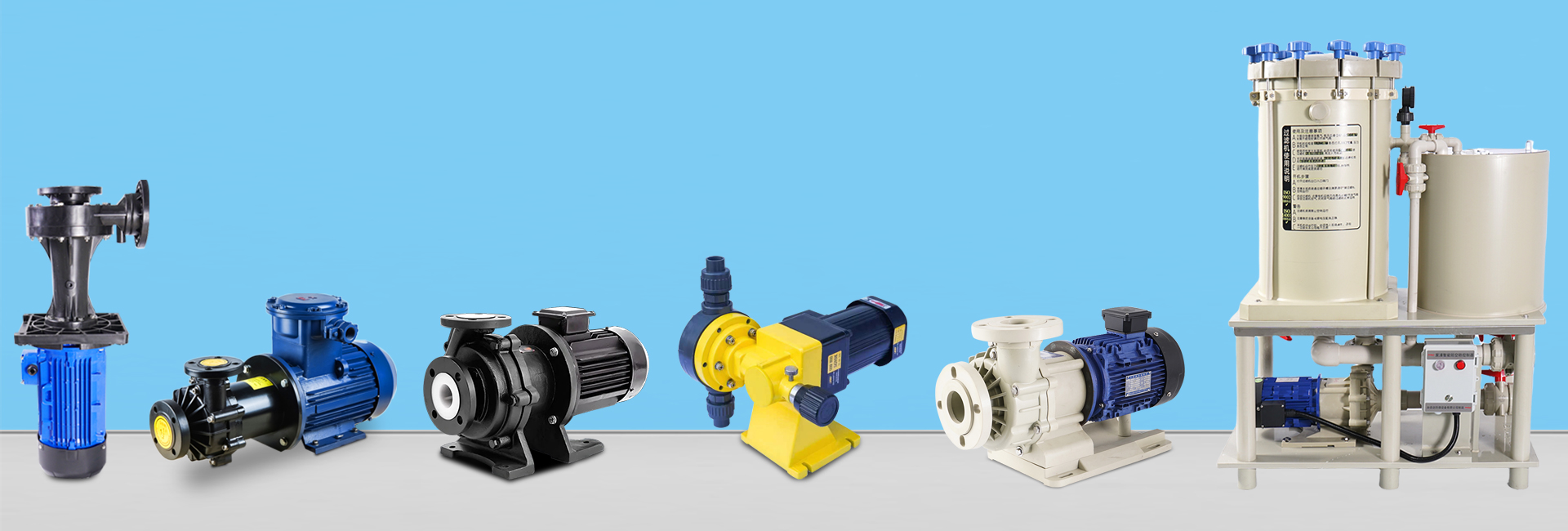
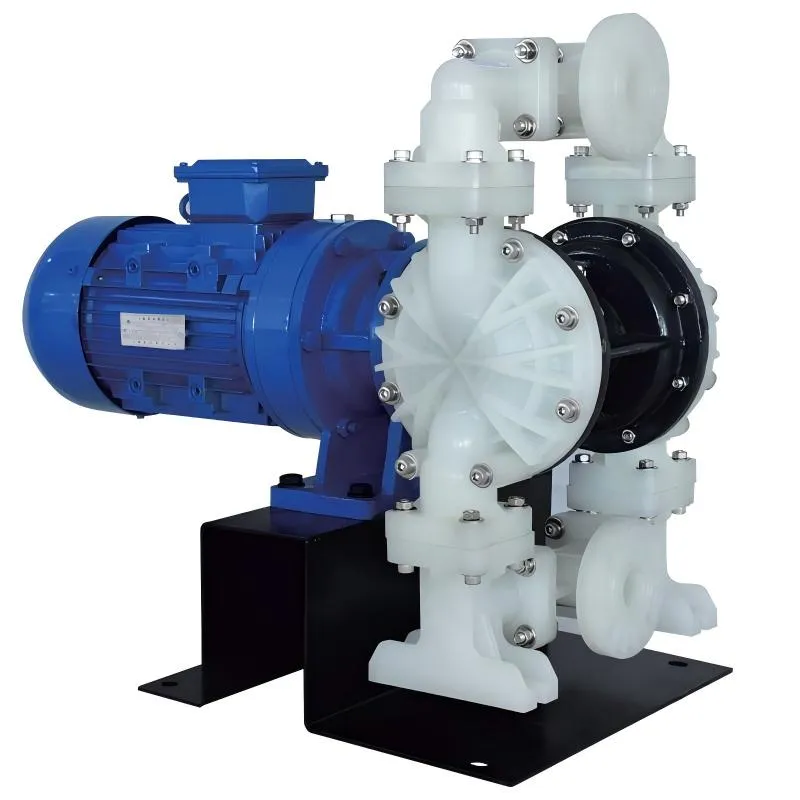

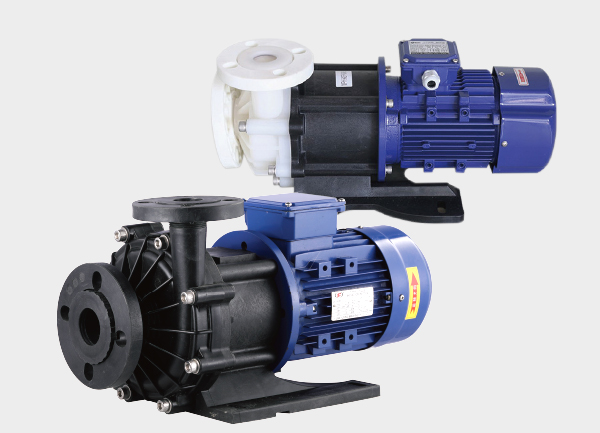
A magnetic drive pump (Mag-Drive Pump) is designed to be sealless and virtually leak-proof because it uses an isolation shell instead of traditional mechanical seals. Therefore, if your magnetic pump is “leaking,” it is a critical failure, most often indicating a ruptured containment shell (isolation shell), causing the process fluid to escape.
Here is a step-by-step guide on how to respond to and resolve this serious issue, optimized for readability and technical clarity.
Immediate Action When Leakage Occurs
The containment shell failure is a major safety and equipment risk. Immediate shutdown is mandatory.
-
Safety First: Power Down Immediately: As soon as a leak is detected, turn off the magnetic pump immediately. Leaked fluid will expose the motor and surroundings to potentially corrosive or hazardous chemicals.
-
Isolate the Fluid: Close the inlet and outlet isolation valves immediately to prevent further fluid from entering the pump casing and escalating the environmental spill.
-
Confirm the Source of Leakage:
-
Is it the Containment Shell? This is the most common cause. Check if the fluid is escaping from the area between the inner and outer magnet assemblies.
-
Check Static Seals: Inspect the static sealing points (O-rings or gaskets) between the pump casing and the cover for signs of wear, degradation, or improper installation.
-
-
Engage Professional Services: Repairs involving the replacement of the containment shell and inspection of internal components (like the shaft bushings/bearings) require specialized tools and expertise. Do not attempt DIY disassembly unless fully trained.
? Common Causes of Magnetic Pump Leakage (Containment Shell Failure)
The containment shell is the weak point. Its failure is typically caused by internal operating issues that lead to excessive heat or wear.
1. Heat Generated by Magnetic Eddy Currents
-
The Issue: Magnetic coupling generates heat (eddy currents) in the metallic containment shell. If this heat is not dissipated, the shell material weakens and can rupture.
-
SEO Keywords: magnetic pump overheating, eddy current loss, containment shell failure due to heat.
-
Solution: Verify the Cooling/Lubrication Circuit. Ensure that the internal circulation path (which uses the pumped fluid to cool the bearings and the isolation shell) is clean, unobstructed, and effectively circulating to remove heat.
2. Bearing Failure and Internal Rubbing
-
The Issue: Excessive wear on the internal slide bearings (bushings) and thrust rings causes the inner magnetic rotor assembly to wobble, leading to metal-to-metal contact that severely damages and punches a hole through the thin containment shell.
-
SEO Keywords: magnetic pump bearing wear, inner magnet rub, shaft bushing failure.
-
Solution: Replace Worn Components. During overhaul, replace all worn slide bearings and thrust collars. Precision is crucial; ensure proper clearance is set to prevent oscillation.
3. Material Incompatibility or Mechanical Stress
-
The Issue: The shell material may be incompatible with the corrosive fluid, or the fluid contains solid particles that erode the shell wall over time.
-
SEO Keywords: corrosion resistant magnetic pump, handling abrasive fluids, shell material compatibility.
-
Solution:
-
Material Upgrade: For highly corrosive media, replace the shell with a material with superior chemical resistance (e.g., specific alloys or non-metallic materials like PTFE/PVDF lining).
-
Filtration: For fluids with minor solids, consider installing a strainer or filter upstream to protect the shell and internal bearings from abrasion.
-
?️ Static Seal Failures (If Not the Containment Shell)
If the leak is confirmed to be at the connection points (flanges) rather than the shell:
| Cause (Static Seal Leak) | Resolution |
| O-ring/Gasket Degradation | Replace the Static Seal. Ensure the new gasket/O-ring material is chemically compatible and correctly sized. |
| Uneven Bolt Tightening | Re-torque Flange Bolts. Tighten fasteners uniformly and to the manufacturer’s specified torque to ensure even compression of the sealing element. |
| Excessive Pipe Strain | Check and Realignment of Piping. Excessive force from adjacent piping can distort the pump casing. Ensure pipework is properly supported and aligned to eliminate undue stress on the pump flanges. |
? Critical Takeaway:
Since the primary cause of a magnetic pump leak is internal component failure, a complete strip-down, inspection, and replacement of the containment shell and worn bearings is typically necessary. Simply tightening bolts or replacing external seals will NOT resolve the core issue.