
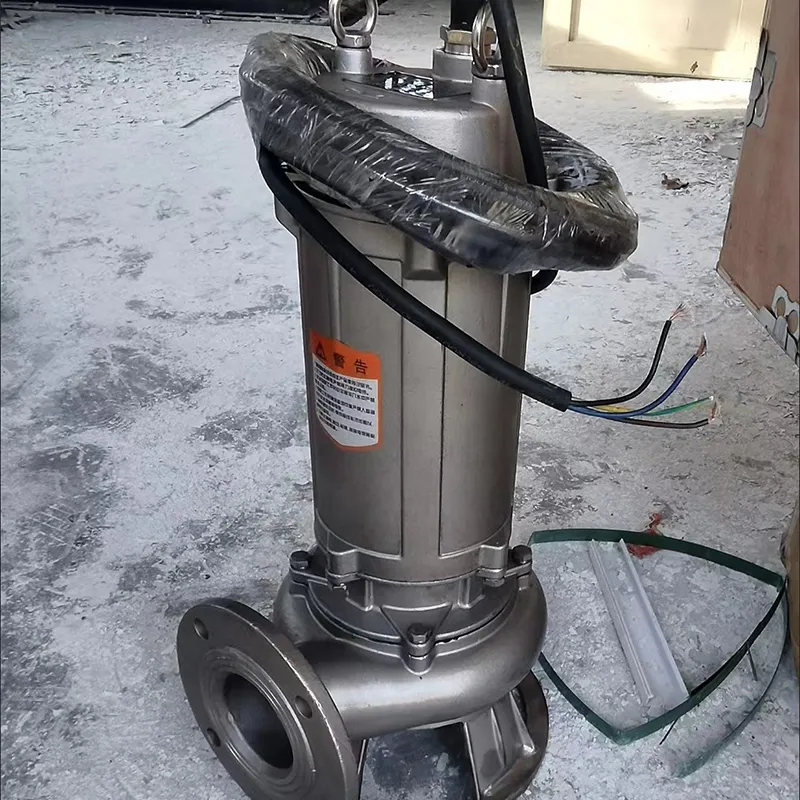
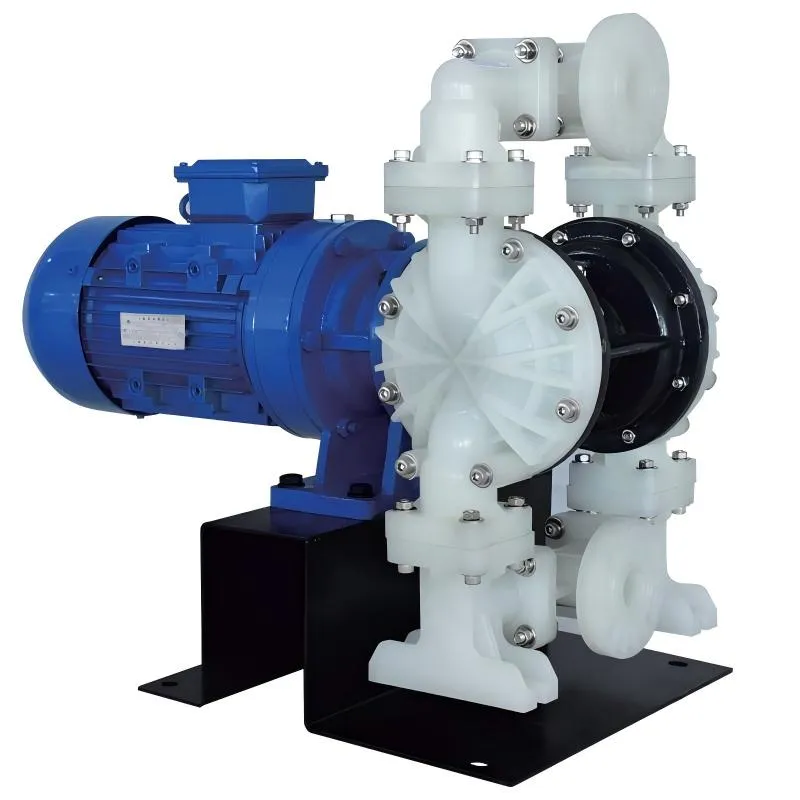

A centrifugal pump failing to discharge water is a common issue in industrial and domestic systems. The problem usually comes down to installation errors, operational issues, or system conditions. Below are the main causes and effective troubleshooting methods.
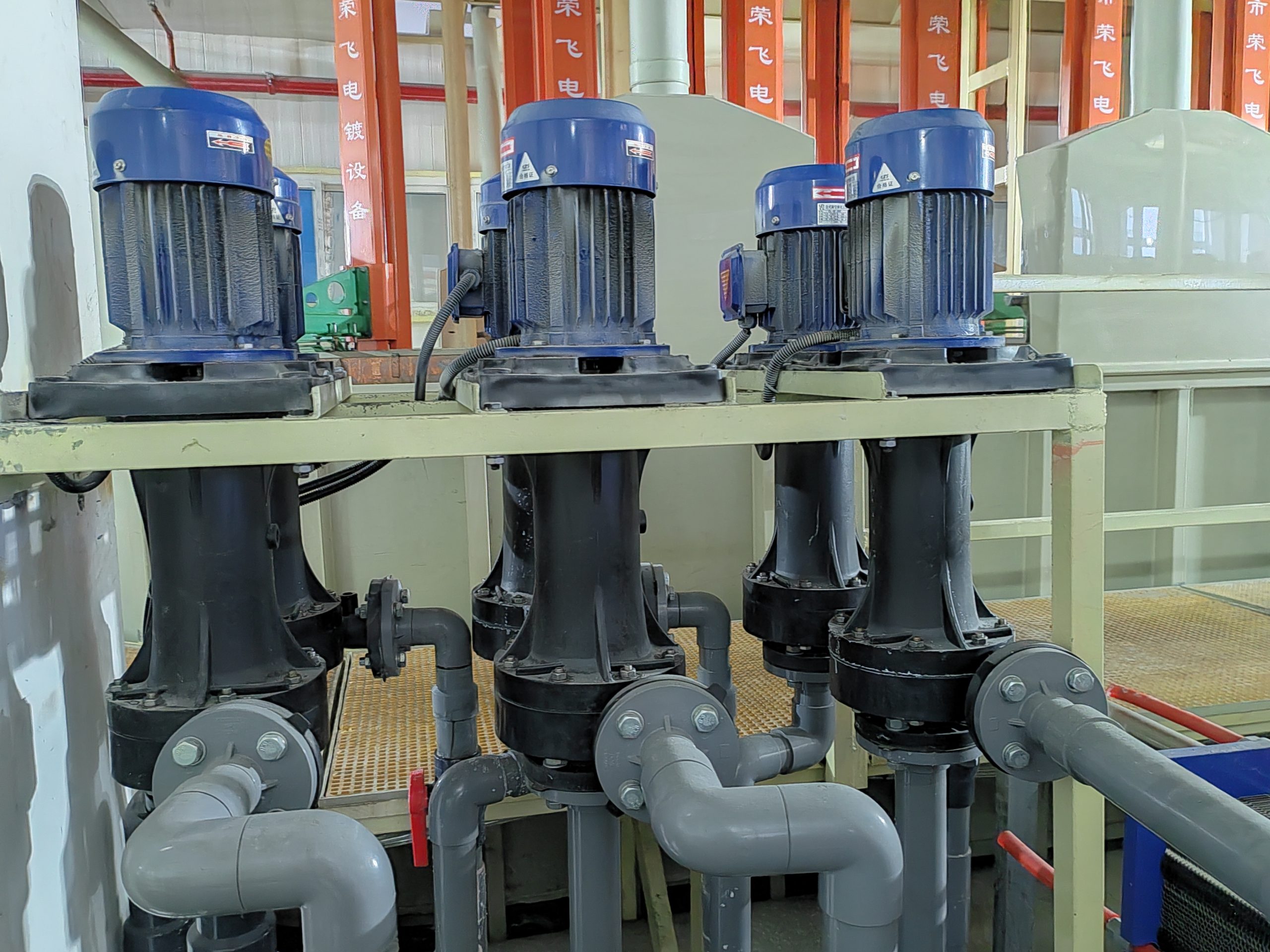
? 1. The Pump Is Not Fully Primed
Cause: The pump casing and suction pipe are not completely filled with liquid before startup. Air inside the pump prevents the impeller from creating suction.
Solution:
-
Fill the pump and suction line completely with liquid.
-
Open the air release valve to remove trapped air.
-
Check for air leaks in the suction line.
-
For self-priming pumps, ensure the suction lift is within the rated range.
? 2. Air Leakage in the Suction Line
Cause: Loose pipe joints, damaged gaskets, or cracked fittings allow air to enter the suction system, breaking the vacuum.
Solution:
-
Inspect and tighten all flanges and pipe connections.
-
Replace worn gaskets or O-rings.
-
Ensure the foot valve is properly sealed and functioning.
? 3. Excessive Suction Lift or High Suction Resistance
Cause: The suction pipe is too long, has too many bends, or is undersized, creating high friction losses. A low liquid level can also cause cavitation.
Solution:
-
Shorten the suction pipe and minimize bends.
-
Use a larger diameter suction line.
-
Lower the pump installation height.
-
Make sure the foot valve is submerged deeply enough in the liquid.
? 4. Impeller or Pump Casing Blocked
Cause: Debris, sand, or other solids block the impeller or suction inlet.
Solution:
-
Disassemble the pump and clean the impeller and casing.
-
Install a strainer or filter at the suction inlet to prevent future clogging.
? 5. Incorrect Rotation Direction
Cause: The motor wiring is reversed, causing the impeller to spin in the wrong direction.
Solution:
-
Stop the pump and swap any two motor power leads.
-
Confirm that the impeller rotates in the correct direction as indicated on the pump nameplate.
? 6. Suction Liquid Temperature Too High
Cause: The pumped liquid is too hot, causing vaporization and vapor lock inside the pump.
Solution:
-
Reduce the liquid temperature if possible.
-
Increase the suction head or lower the pump’s installation position.
? 7. Mechanical Seal Leaking
Cause: Air is entering the pump through a worn or damaged mechanical seal.
Solution:
-
Check the mechanical seal for wear or cracks and replace if necessary.
-
Ensure proper seal cooling and lubrication.
? Quick Troubleshooting Checklist
-
Check if the pump casing is full of water.
-
Verify the motor rotation direction.
-
Inspect suction lines and foot valve for air leaks.
-
Ensure the suction lift is not too high.
-
Examine the impeller for blockage.
-
Restart and observe pump discharge performance.
✅ Final Tip
Regular maintenance and correct installation are key to preventing priming and suction problems. Ensuring the pump is properly primed, sealed, and aligned will greatly extend its service life and improve overall system efficiency.