



Metering pumps are widely used in water treatment, chemical processing, agriculture, and pharmaceutical industries to deliver precise amounts of chemicals. However, it’s common to encounter issues where the metering pump fails to discharge chemicals. This article outlines the most common causes of this problem and provides a step-by-step troubleshooting guide to help you resolve it quickly.
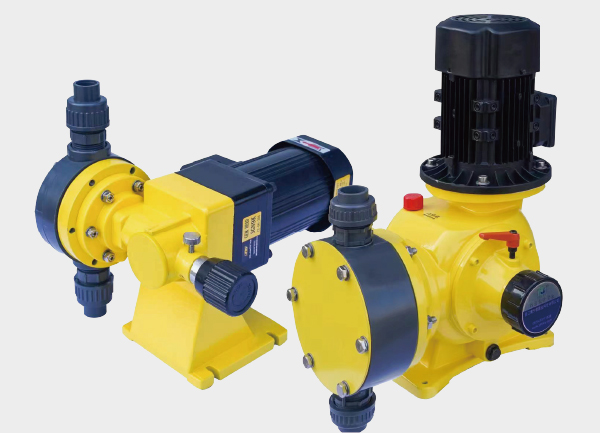
Common Causes Why Metering Pumps Fail to Deliver Chemicals
1. Inlet Side Issues (Failed to Draw Chemicals)
-
The chemical tank is empty or the liquid level is too low to reach the inlet pipe.
-
Air leaks in the inlet pipeline, connectors, or fittings, causing the pump to suck air instead of chemicals.
-
Clogged inlet filter or strainer (due to impurities, sediment, or chemical residues).
-
Inlet valve is closed, partially closed, or the pipeline is bent/kinked, blocking the chemical flow.
2. Outlet Side Blockage or Excessive Back Pressure
-
Outlet valve is closed or not fully open, preventing chemical discharge.
-
Clogged outlet pipeline, nozzle, check valve, or flow meter (caused by chemical crystallization, sediment, or debris).
-
Back pressure exceeds the pump’s rated pressure, making it impossible for the pump to push chemicals out.
3. Check Valve (One-Way Valve) Failure
-
Impurities (such as sediment, chemical residues) are stuck in the check valve, causing poor sealing or blockage.
-
Wear, corrosion, or damage to the valve ball, valve seat, or seal ring, leading to reverse flow or loss of suction capacity.
4. Pump Malfunction (Pump Not Working Properly)
-
Motor or driver is not running, tripped, or has power supply issues (e.g., voltage instability, power outage).
-
Flow rate adjustment knob is set to 0, resulting in no chemical delivery.
-
Coupling, drive shaft, or other transmission components are loose, disconnected, or worn, preventing the pump from operating normally.
-
Diaphragm damage (for diaphragm metering pumps) or plunger seal wear (for plunger metering pumps), causing internal leakage.
5. Chemical Medium Issues
-
Chemical crystallization or solidification in the pipeline or pump head (due to low temperature or concentration changes).
-
Chemical viscosity is too high, exceeding the pump’s handling capacity, leading to poor suction and discharge.
-
The chemical contains air bubbles or foam, causing air lock in the pump, which prevents effective suction of chemicals.
6. Installation or Operation Errors
-
The pump is installed too high, resulting in insufficient suction lift (exceeding the pump’s maximum suction lift limit).
-
No priming was done before the first use, leaving air in the pipeline and pump head, which affects suction.
-
Incorrect pipeline installation (e.g., inlet pipe is too long,弯头 too many) increases suction resistance.
Quick Troubleshooting Steps (Simplified Version)
-
Check if the pump motor is running normally (listen for operating sound, check power supply).
-
Inspect inlet and outlet valves to ensure they are fully open; clean the inlet filter if clogged.
-
Disassemble and inspect the inlet and outlet check valves for blockages, wear, or damage; clean or replace them if necessary.
-
Prime the pump (if not done) and bleed air from the pipeline and pump head to eliminate air lock.
-
Check the outlet back pressure to ensure it does not exceed the pump’s rated pressure; unclog any blocked pipelines or nozzles.
To get more targeted troubleshooting advice, please let us know: What type of metering pump are you using? (Mechanical Diaphragm Metering Pump, Electromagnetic Metering Pump, or Plunger Metering Pump?) We can provide precise steps tailored to your pump model.