

1. Core Application Scenarios in Automotive Manufacturing
1.1 Exterior Automotive Parts (Surface Aesthetics & Weather Resistance)
Main electroplating processes: ABS/PC plastic electroplating, electroless nickel plating, bright nickel plating, micro-porous chromium plating, and zinc alloy multi-layer nickel-chromium plating.
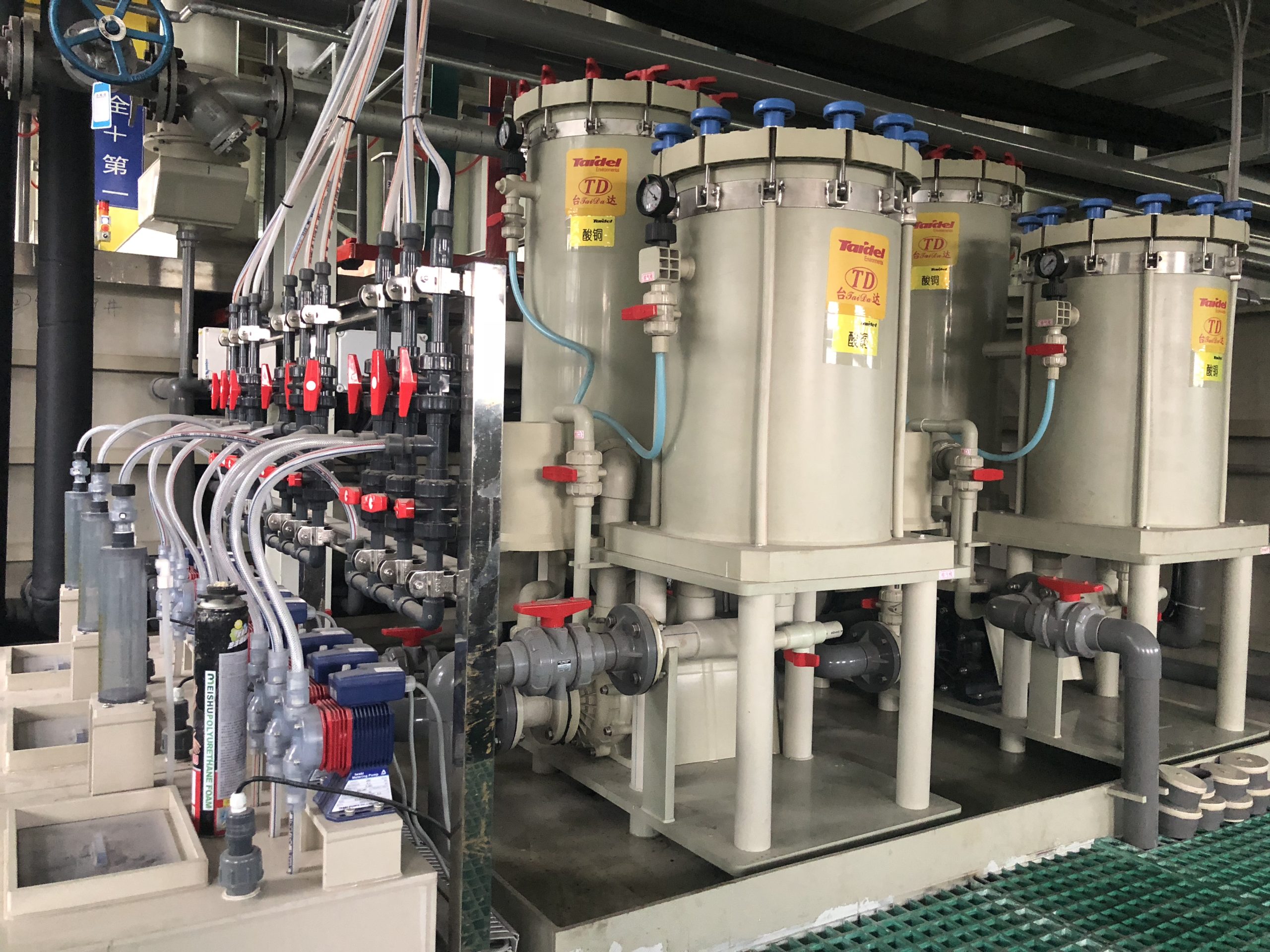
Filtration requirements: Adopt precision filtration down to 1μm to avoid pinholes and pitting defects. Activated carbon filtration is applied to remove organic contaminants. Equipment materials must resist chromic acid, strong acids and strong alkalis for long-term stable operation.
1.2 Chassis & Structural Parts (Corrosion Protection & Structural Strength)
Main processes: Acid/alkaline zinc plating, blue-white and color passivation, zinc-nickel alloy plating, and high-phosphorus electroless nickel plating.
Filtration requirements: Effectively filter anode sludge, zinc residue and iron particles. The equipment is designed to withstand strong acid and alkali environments and high working temperatures of 80–95°C, while eliminating hydrogen embrittlement risks for high-strength fasteners.
1.3 Engine & Transmission Components (Wear Resistance & High-Temperature Stability)
Main processes: Hard chromium plating for wear resistance, electroless nickel plating for uniform corrosion protection, and tin plating to prevent metal seizing.
Filtration requirements: High-flow circulating filtration structure, compatible with ultra-high working temperatures up to 100°C for hard chromium plating. Precision interception of tiny metal particles ensures uniform and wear-resistant coating layers.
1.4 Automotive Electronic & Connector Parts (Precision Performance & Low Resistance)
2. Key Benefits of Electroplating Filtration in the Automotive Industry
-
Eliminate Coating Defects
Removes micron-level solid particles to prevent pinholes, pitting and orange peel surfaces. It also removes oil stains and organic pollutants, avoiding foggy surfaces, color difference and poor coating adhesion.
-
Prolong Plating Solution Service Life
In mass production lines for automotive wheel hubs, a professional electroplating filter can extend the plating solution service life from 3 months to 8 months, greatly reducing the annual consumption of chemical agents and overall operating costs.
-
Improve Production Efficiency
Equipped with PLC automatic control and remote monitoring functions, the system gives early warnings of filter cartridge blockage, reducing unplanned downtime by over 40%. Dual-tower switching design allows filter replacement without stopping the production line.
-
Meet Environmental & Safety Compliance
Intercepts heavy metal residues to reduce the load of wastewater treatment. It effectively controls hydrogen embrittlement problems and improves the overall safety and service life of automotive structural parts and fasteners.
3. Equipment Selection for Different Automotive Electroplating Processes
3.1 Plastic Electroplating & Decorative Chromium Plating (Exterior Parts)
Material configuration: PVDF / PPH corrosion-resistant material suitable for chromic acid environments; Filter adopts gradient precision from 5μm to 1μm, matched with activated carbon filter cores.
3.2 Zinc Plating & Zinc-Nickel Plating (Chassis Fasteners)
3.3 Hard Chromium & Electroless Nickel Plating (High-Temperature Wear Parts)
3.4 Intelligent Automatic Production Line (Wheel Hub & Mass Production)
Core functions: Real-time monitoring of turbidity and conductivity, automatic flow adjustment, and AI-optimized cleaning cycles, cutting energy consumption by 15%–30%.
4. Practical Application Results & Economic Benefits
- Automotive Wheel Hub Electroplating: 40% improvement in surface gloss consistency, impurity concentration controlled below 5ppm, and labor cost reduction on production lines.
- Fastener Barrel Plating: 80% reduction in black spots and surface scratches, 12% drop in rework rate, and plating solution replacement cycle doubled.
- Electroless Nickel Plating Line: 90% reduction in coating porosity, salt spray resistance extended by 500 hours, and daily maintenance costs reduced by 35%.