
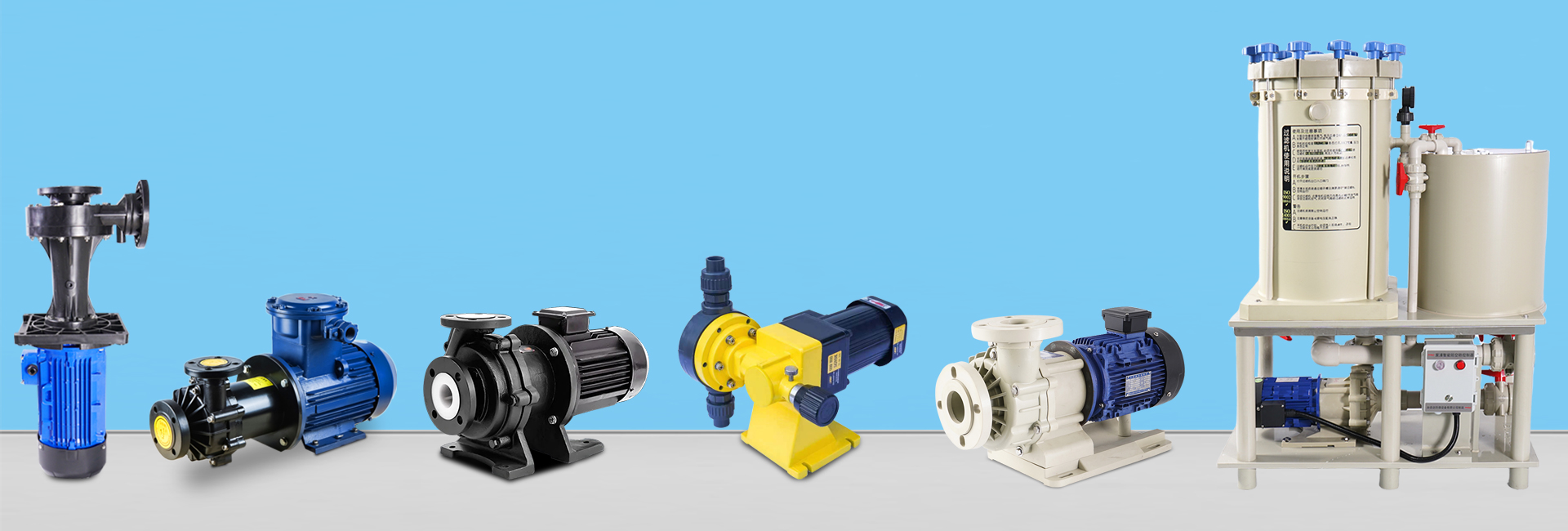
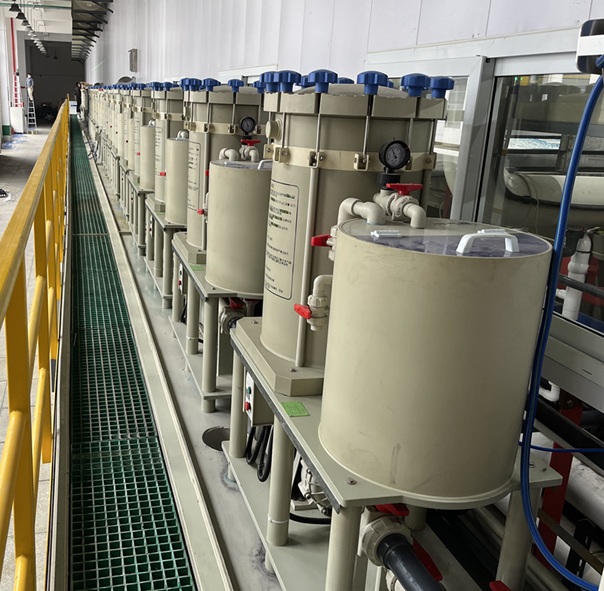
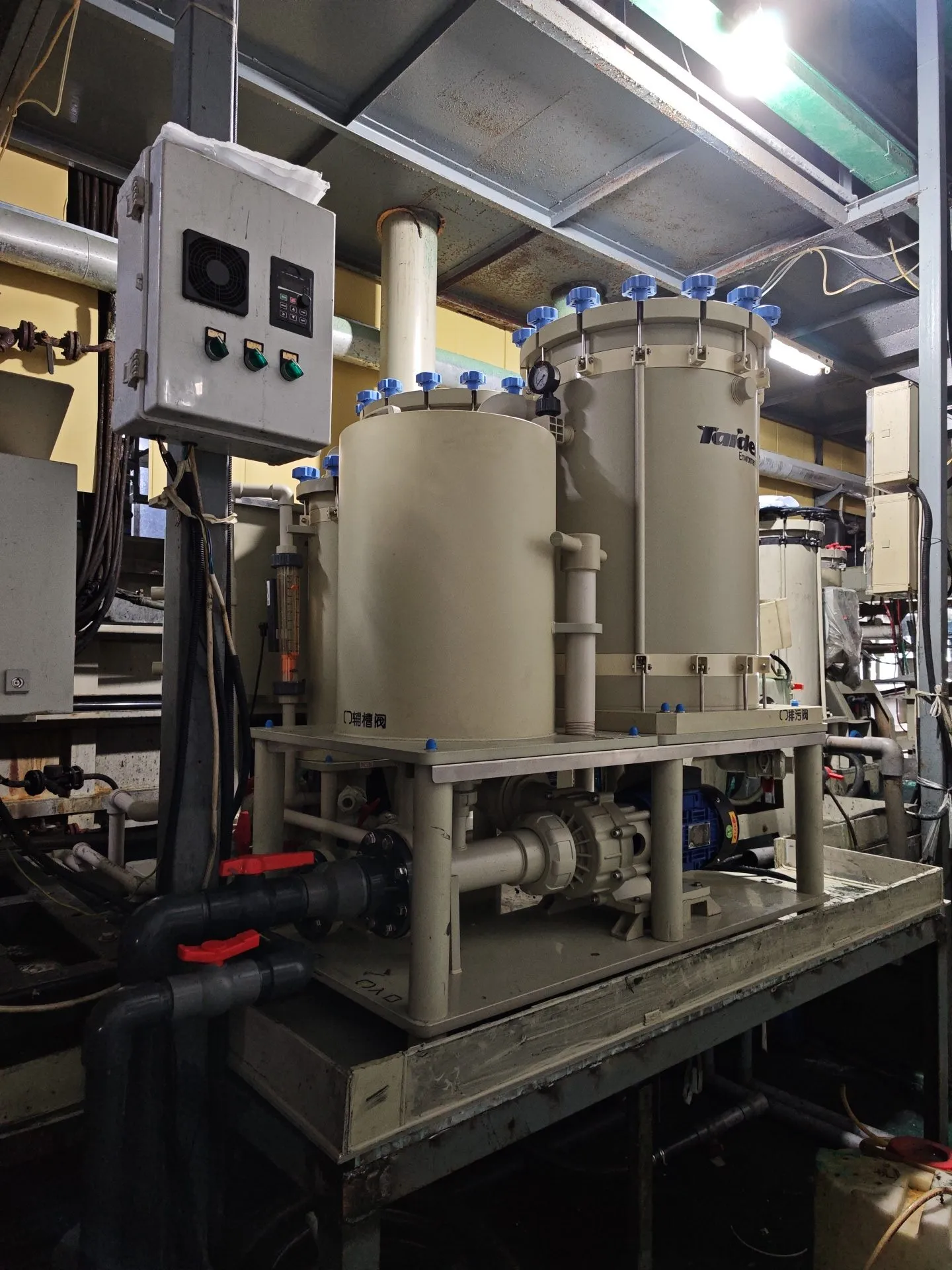
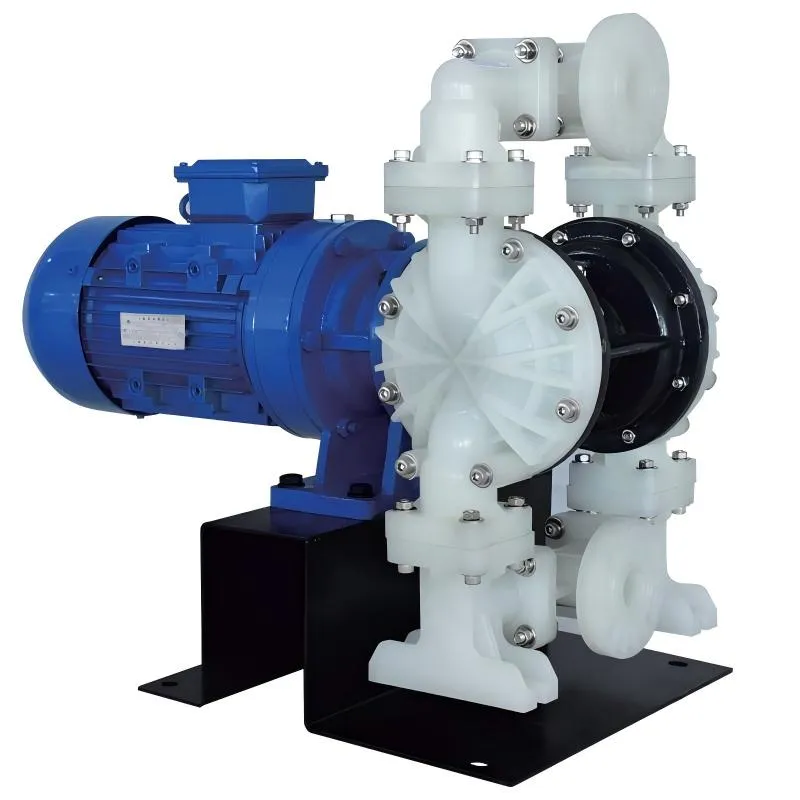

When selecting materials for acid and alkali-resistant industrial electroplating filter presses, there is no one-size-fits-all best option. The final choice must be determined comprehensively based on the specific type of electroplating solution, operating temperature, acid-base concentration, and budget.
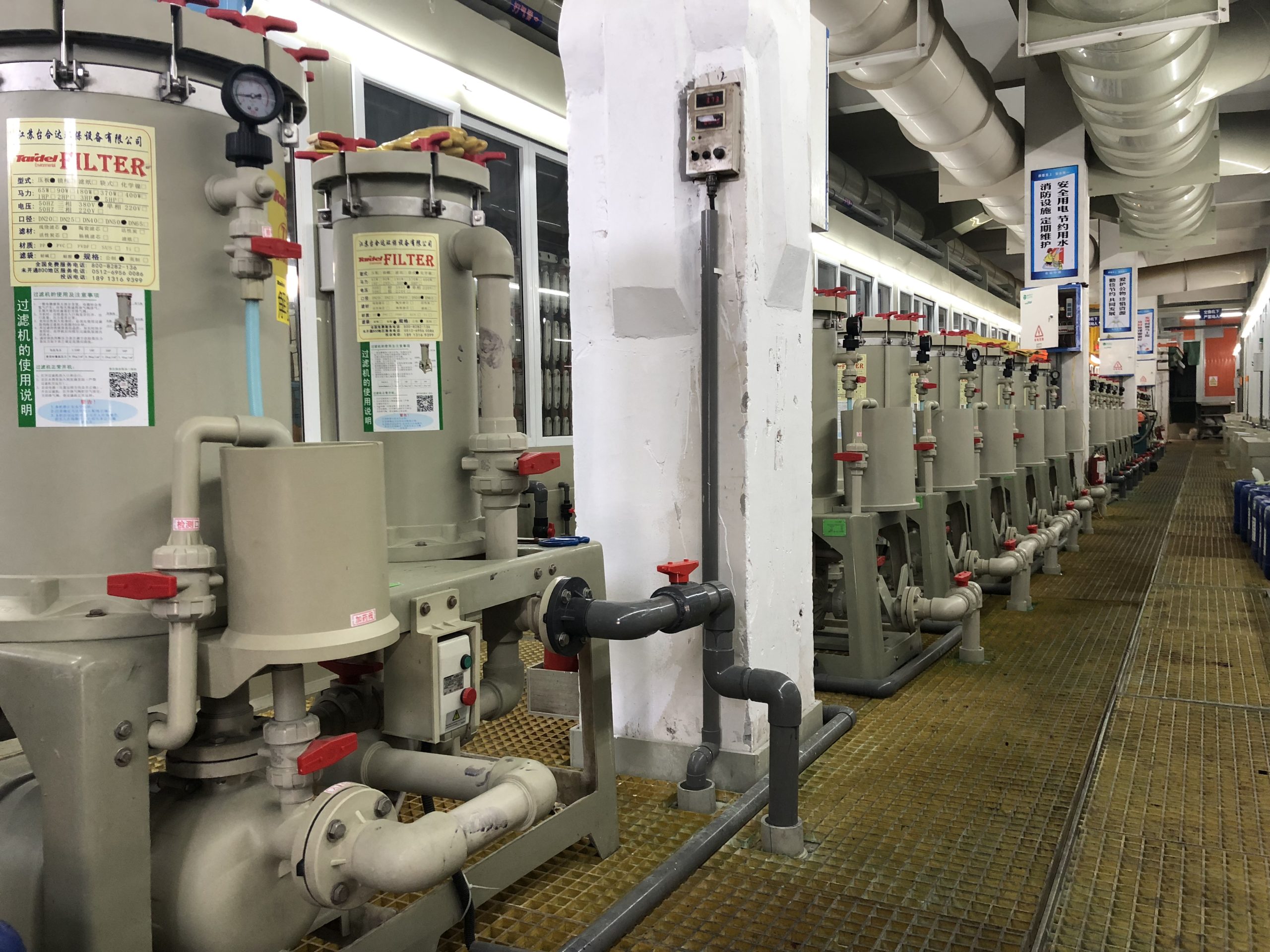
Three common materials—PP (Polypropylene), PVC (Polyvinyl Chloride) and stainless steel—each have distinct advantages and disadvantages. Below is a detailed comparison and material selection guide:
1. PP (Polypropylene): Cost-Effective All-Rounder
PP is the most mainstream and widely adopted material for electroplating filter presses at present.
- Advantages: Excellent resistance to most inorganic acids, organic acids, alkalis and salts; the lightest in weight (even lighter than water) for easy handling and installation; cost-effective with a moderate price; mature integral molding technology effectively prevents liquid leakage.
- Disadvantages: Moderate temperature resistance, with a continuous operating temperature limit of 60℃ to 75℃. It tends to soften and deform at higher temperatures and cannot resist strong oxidants such as concentrated nitric acid and concentrated chromic acid.
- Applicable Scenarios: Ideal for most conventional acid and alkali electroplating solutions (e.g., copper plating, nickel plating, galvanizing) under low-temperature working conditions.
2. PVC (Polyvinyl Chloride): Ideal for Strong Oxidants & Low-Temperature Conditions
PVC boasts unique chemical corrosion resistance, especially outstanding resistance to strong oxidizing substances.
- Advantages: Superior tolerance to oxidative chemicals including nitric acid, hypochlorite and chromic acid; high material rigidity with stable structural hardness; reasonably priced.
- Disadvantages: The poorest heat resistance among the three materials, with a maximum continuous operating temperature of only 60℃. It becomes brittle or decomposes at high temperatures and is also prone to brittleness in low-temperature environments.
- Applicable Scenarios: Perfect for low-temperature processes involving strong oxidants, such as decorative chromium plating and chromic acid anodizing; not suitable for high-temperature chemical solutions.
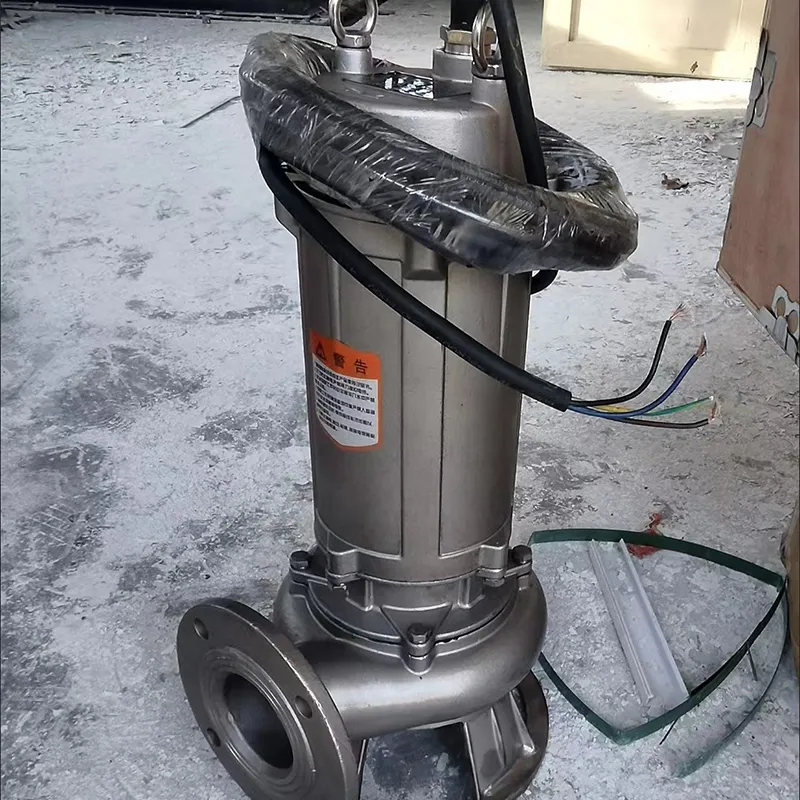
3. Stainless Steel (304 / 316L): Premium Choice for High Temperature & High Strength
Stainless steel filter presses are high-end configurations designed for extreme working conditions.
- Advantages: Extreme mechanical strength with excellent pressure and impact resistance; exceptional high-temperature resistance, capable of withstanding temperatures above 100℃; smooth surface that meets high cleanliness standards.
- Disadvantages: High procurement cost. Although acid and alkali resistant, standard 304 stainless steel suffers from pitting corrosion in chloride-rich environments (e.g., hydrochloric acid), requiring upgraded 316L stainless steel for such conditions; heavy overall weight.
- Applicable Scenarios: Suitable for high-temperature electroplating solutions above 95℃, high-corrosion high-temperature chemical liquids, and pharmaceutical or food-grade filtration requiring strict cleanliness.
Core Parameter Comparison Chart
| Material | Temperature Resistance (Reference) | Acid & Chemical Resistance | Core Advantages | Core Disadvantages |
|---|---|---|---|---|
| PP | 0℃ ~ 75℃ | Resists most acids & alkalis; poor against strong oxidants | Highest cost performance, lightweight & durable | Softens at high temperatures, weak anti-oxidation |
| PVC | 0℃ ~ 60℃ | Excellent resistance to strong oxidants such as chromic acid | High rigidity, superior anti-oxidation | Poor heat resistance, brittle at low temperatures |
| Stainless Steel | -200℃ ~ 600℃ | 316L resists strong acids & alkalis; 304 vulnerable to chloride corrosion | High temperature resistance, high strength, long service life | High cost, strict material selection required |
Practical Selection Tips
Select by Operating Temperature
- For solution temperatures below 75℃: PP is the top choice for economy and stability.
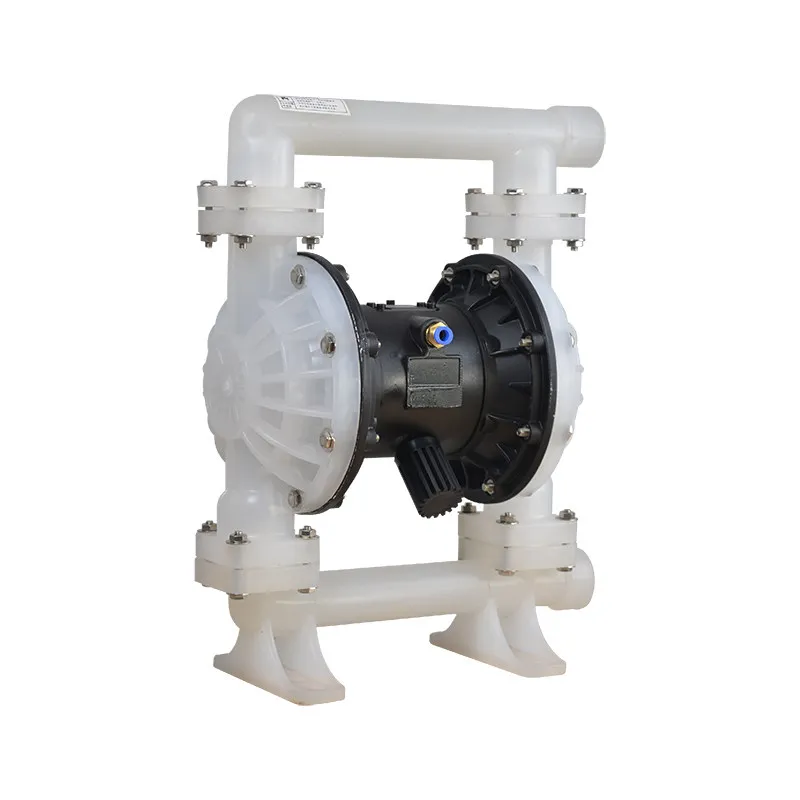
- For temperatures between 75℃ and 90℃: Adopt a combined solution with a PP tank body and PVDF pump (PVDF withstands temperatures over 95℃ at a premium cost).
- For temperatures above 95℃: Directly select 316L stainless steel.
Select by Solution Properties
- For chromium plating and other strong oxidant solutions: Ordinary PP will blacken and degrade rapidly. PVC is recommended for low-temperature use, while PE, PVDF or titanium materials are preferred for high-temperature and high-standard working conditions.
- For solutions with high chloride content (hydrochloric acid systems): Avoid 304 stainless steel; prioritize PP or 316L stainless steel.
Focus on Sealing Components
Filter press performance depends not only on the tank material but also on seals (O-rings). Common options include EPDM (acid & alkali resistant, hot water tolerant) and Viton (Fluororubber) (high temperature and heavy corrosion resistant). Ensure sealing materials are fully compatible with your electroplating solution.
Summary
For conventional low-temperature acid-base electroplating processes, PP is the safest and most economical option. PVC is the optimal solution for working with chromic acid and other strong oxidants. Stainless steel (316L) is reserved for high-temperature, harsh and demanding working scenarios with sufficient budget support.