
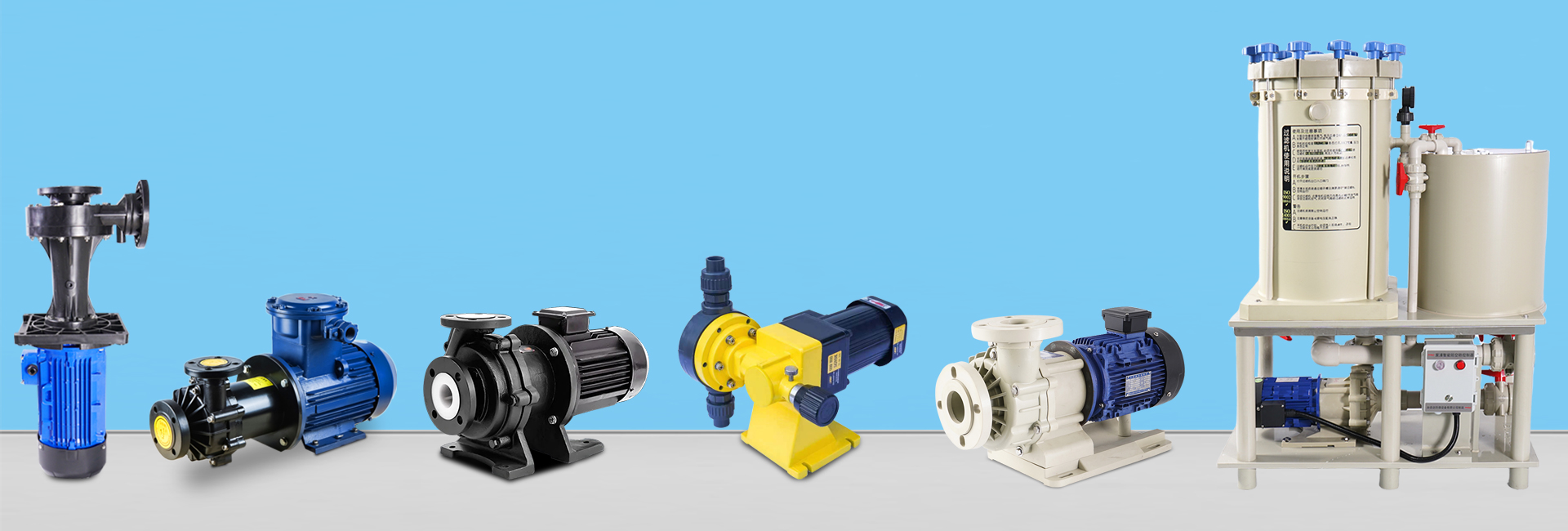
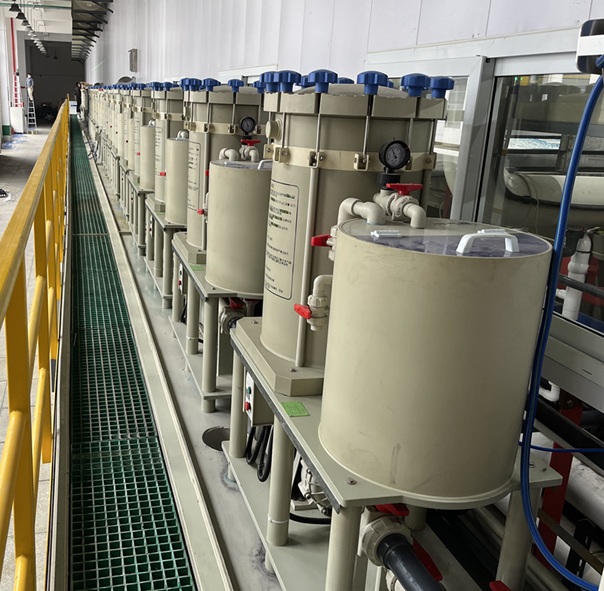
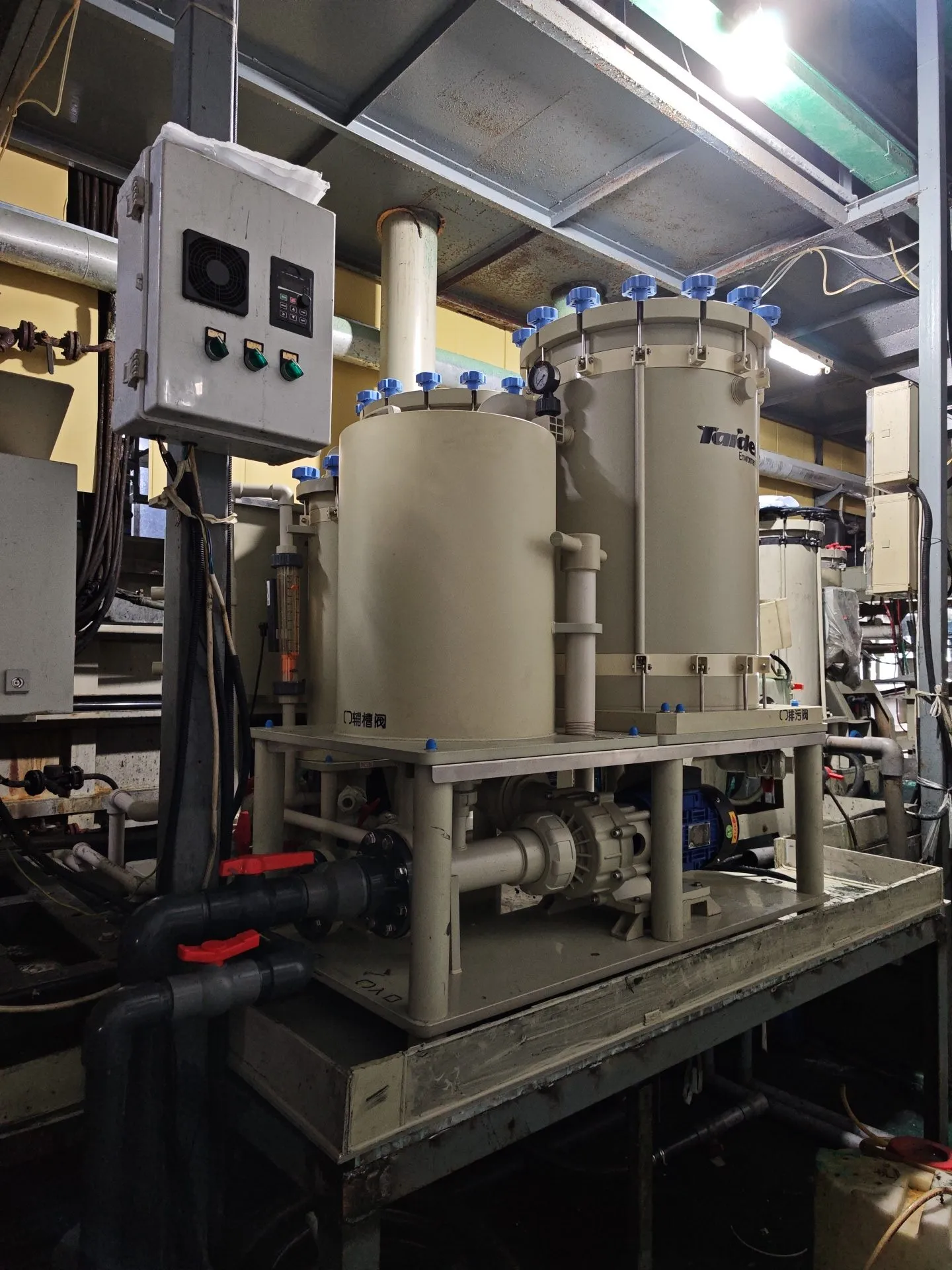
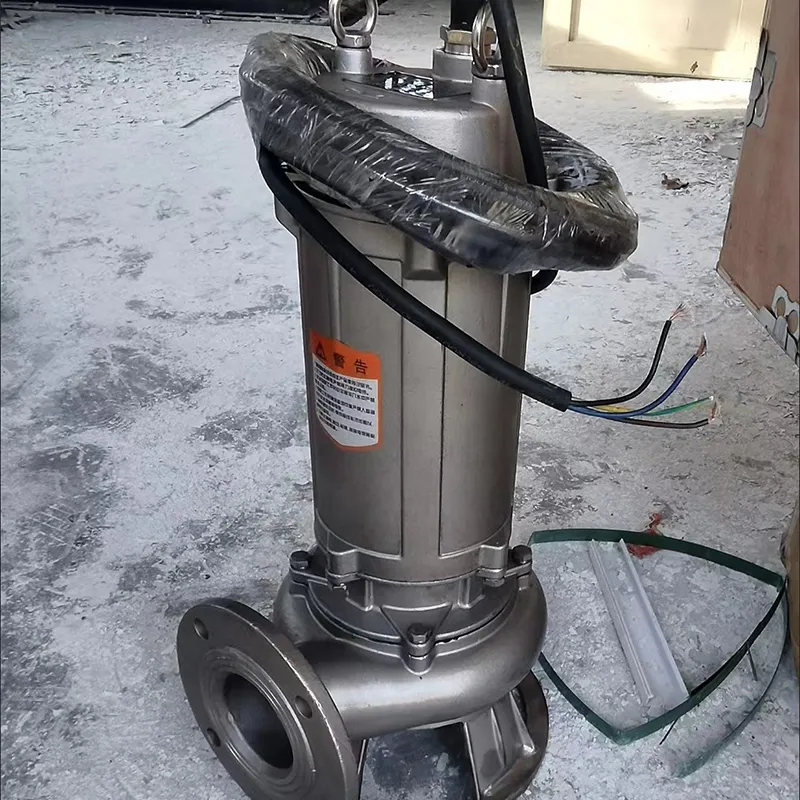
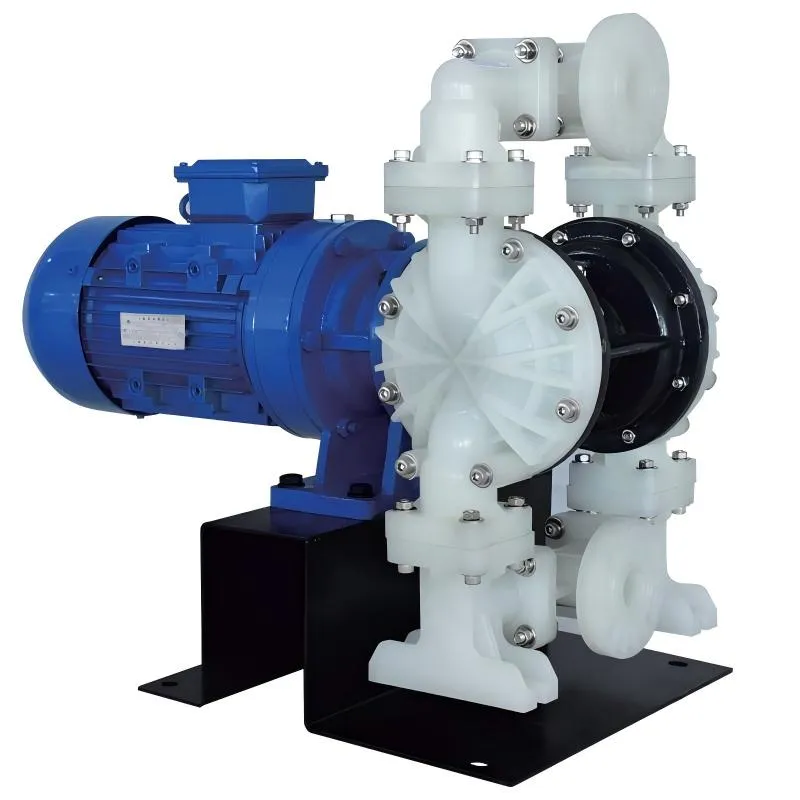

Chemical pumps in Australia mainly serve four core sectors: mining and resources, oil and gas refining, seawater desalination, and water treatment. These pumps must adapt to harsh operating conditions such as strong corrosion, high abrasion, and high salt spray. The mainstream types include magnetic drive pumps, screw pumps, slurry pumps, and high-pressure multi-stage pumps, which emphasize leak-free performance, corrosion resistance, long service life, and remote operation and maintenance capabilities.

Core Application Scenarios and Requirements
1. Mining and Resource Processing (Core Pillar)
Australia’s mining industry is well-developed, and chemical pumps undertake three key functions: slurry transportation, chemical reagent dosing, and groundwater pumping and drainage.
-
Slurry Transportation: Warman series slurry pumps are used for transferring tailings and high-concentration slurry in copper, gold, and nickel mines. They are made of high-chromium wear-resistant materials to adapt to harsh environments with coarse particles and high abrasion.
-
Chemical Metering: Magnetic drive pumps (such as Techniflo) are used for the precise dosing of copper ore flotation reagents (e.g., xanthates), achieving zero leakage and avoiding medium contamination.
-
Groundwater Pumping and Drainage: Multi-stage submersible pumps are used for water gushing control in open-pit and underground mines. Some models can withstand high-salt groundwater to ensure mining safety.
2. Oil and Gas Refining & Energy Chemicals
Australia is rich in oil and gas resources. Chemical pumps in this sector must meet the requirements of explosion-proof, temperature resistance, and corrosion resistance, covering the entire industrial chain.
-
Refining Process: Magnetic drive pumps and gear pumps are used in acid gas removal, hydrocarbon transportation, boiler feed water, and other links. The materials are mostly stainless steel or alloy, complying with API 610 standards.
-
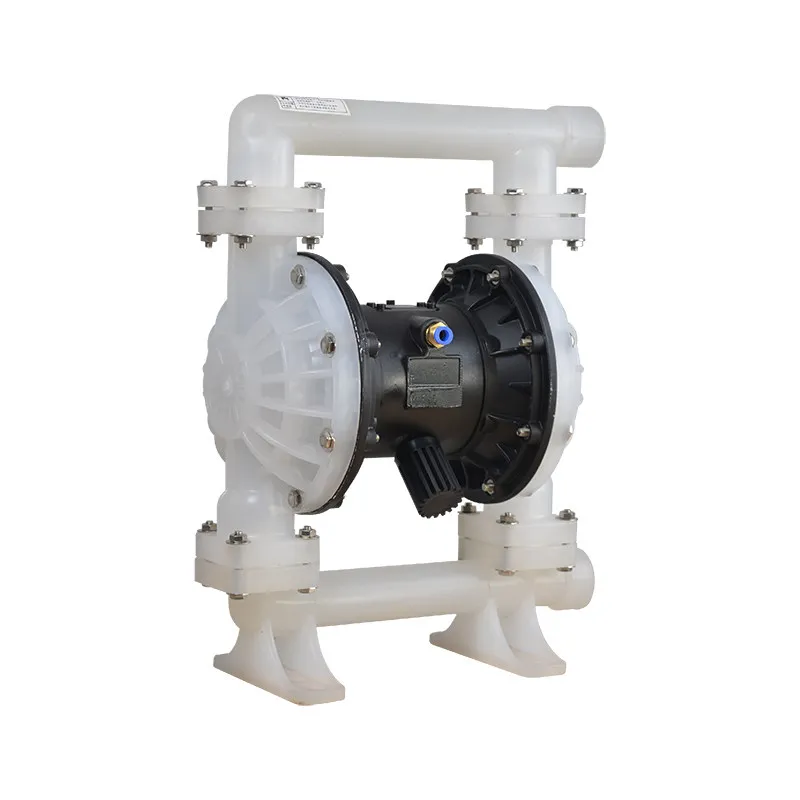
Offshore Platforms: Diaphragm pumps are used for metering platform chemicals (scale inhibitors, corrosion inhibitors), adapting to the high-humidity and salt-spray offshore environment.
-
LNG and Seawater Desalination: High-pressure multi-stage pumps (such as Sulzer MSD/MBN series) are used for reverse osmosis seawater desalination and LNG seawater injection. They can withstand high pressure and chloride ion corrosion, ensuring energy production and fresh water supply.
3. Seawater Desalination and Water Treatment
Australia is scarce in water resources, so seawater desalination and wastewater reuse are key development directions, where chemical pumps are core equipment.
-
Reverse Osmosis (RO): High-pressure pumps provide 60-80bar pressure to push seawater through RO membranes. They are made of super duplex stainless steel to reduce energy consumption and maintenance costs.
-
Sewage and Wastewater Treatment: Screw pumps (such as PCM EcoMoineau) handle oily wastewater and industrial sludge, adapting to high-viscosity and complex media, and supporting vacuum unloading and solid-liquid separation.
-
Municipal and Industrial Water Treatment: Metering pumps and diaphragm pumps are used for acid-base dosing, disinfection (sodium hypochlorite), and flocculant addition to ensure water quality meets standards.
4. Other Key Scenarios
-
Agriculture and Chemical Production: Transporting pesticides, fertilizers, resins, and other media; some scenarios require food-grade sanitary pumps.
-
Marine and Offshore Engineering: Corrosion-resistant hydraulic pumps and bilge pumps are used in barges, ferries, and aquaculture platforms, adapting to salt-spray and oily media.
-
Biopharmaceuticals and Semiconductors: Leak-free pumps are used for high-purity chemical transportation to meet sterility and anti-cross-contamination requirements.
Mainstream Equipment Selection and Technical Features
|
Medium Type
|
Recommended Pump Type
|
Core Advantages
|
Typical Scenarios
|
|---|---|---|---|
|
Highly Corrosive Chemicals
|
Magnetic Drive Pumps, Plastic Diaphragm Pumps
|
Leak-free, Fully Sealed, Corrosion-resistant Materials
|
Acid-Base Transportation, RO Reagent Dosing
|
|
High Viscosity/Particle-containing Media
|
Screw Pumps, Cam Rotor Pumps
|
Stable Flow, Strong Self-priming Capacity
|
Sludge, Oily Wastewater, Resins
|
|
Highly Abrasive Slurry
|
Warman Slurry Pumps, Vertical Slurry Pumps
|
Wear-resistant Components, Large Flow, Anti-clogging
|
Mining Tailings, Slurry Transportation
|
|
High-Pressure Reverse Osmosis
|
Multi-stage High-Pressure Pumps
|
High Efficiency, High Pressure Resistance, Long Service Life
|
Seawater Desalination RO Systems
|
|
Flammable and Explosive Media
|
Explosion-proof Magnetic Pumps/Diaphragm Pumps
|
No Mechanical Seal, Explosion-proof Certification
|
Offshore Oil and Gas Platforms, Chemical Solvents
|
Market and Policy Drivers
-
Market Size: Australia’s industrial pump and valve market reached 4.2 billion US dollars in 2024, with a compound annual growth rate (CAGR) of 6.90% from 2025 to 2033. Chemical pumps are a core segment.
-
Policy Dividends: The Australian federal government’s “2030 Water Resources Strategy” has invested 12 billion Australian dollars to upgrade water conservancy facilities. States are promoting seawater desalination and wastewater reuse projects, directly driving the demand for pumps and valves.
-
Technology Trends: Intelligent pumps (with sensors and remote monitoring) and energy-saving pumps (high-efficiency motors, frequency conversion control) have become mainstream, adapting to the operation and maintenance needs of remote areas in Australia.
Key Points for Export and Localization
If exporting chemical pumps to Australia, the following points should be focused on:
-
Certification Compliance: Must pass AS/NZS standards, ATEX explosion-proof certification (for flammable and explosive scenarios), and WHA certification (for drinking water equipment in some states).
-
Material Adaptation: Prioritize super duplex stainless steel, Hastelloy, fluoroplastics, and other materials to cope with high-salt and strong corrosion environments.
-
Operation and Maintenance Services: Australian users attach great importance to localized support. It is necessary to establish spare parts warehouses and technical service teams to adapt to the rapid response needs of remote projects.