
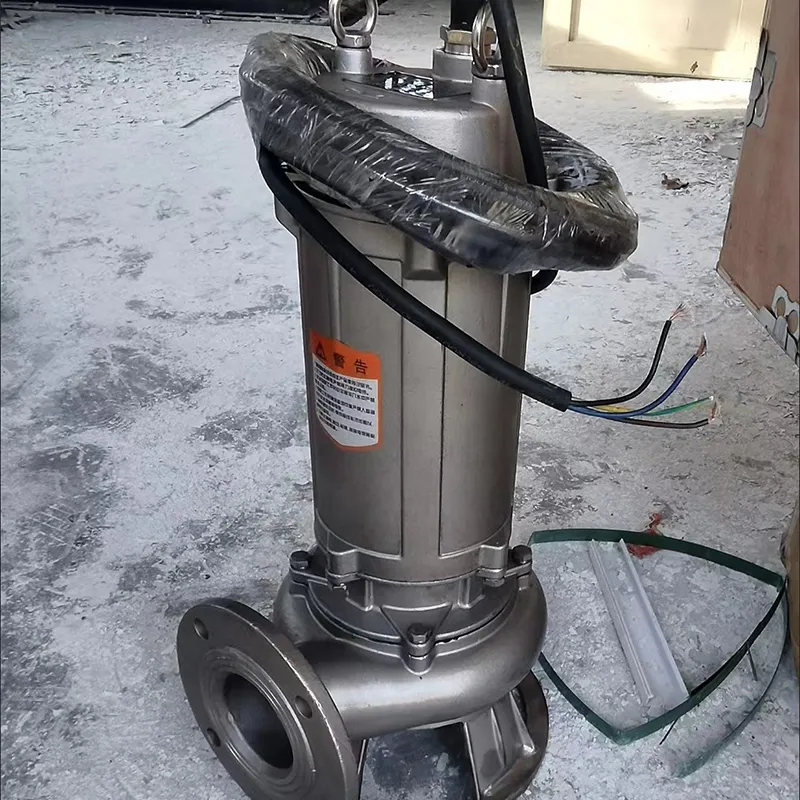
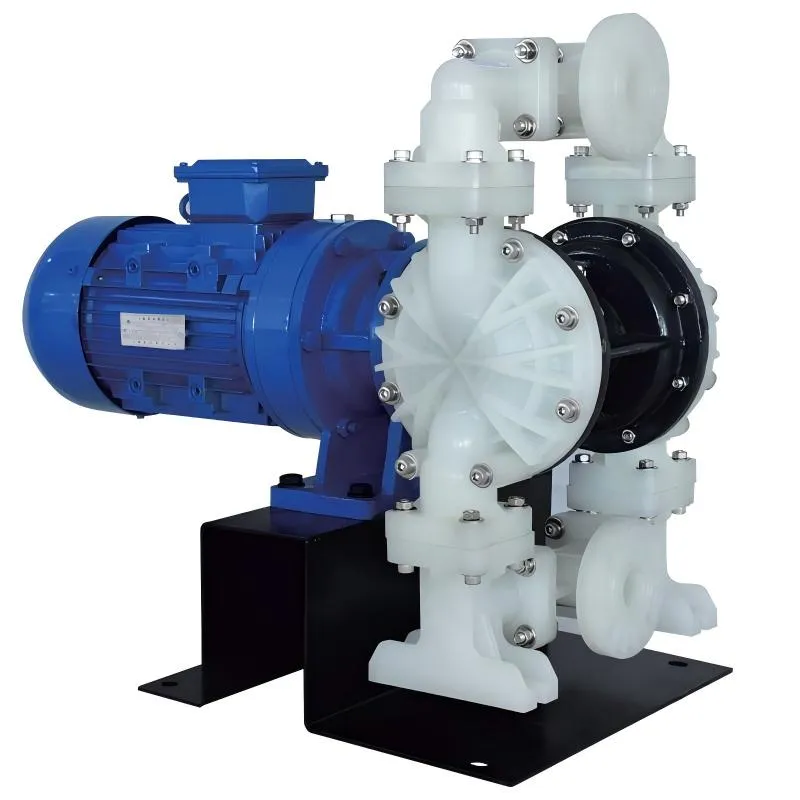

10% sodium hypochlorite (NaClO) is strongly oxidizing, corrosive and prone to crystallization. Ordinary carbon steel, cast iron and copper are not allowed. Material selection comes first, followed by pump structure.
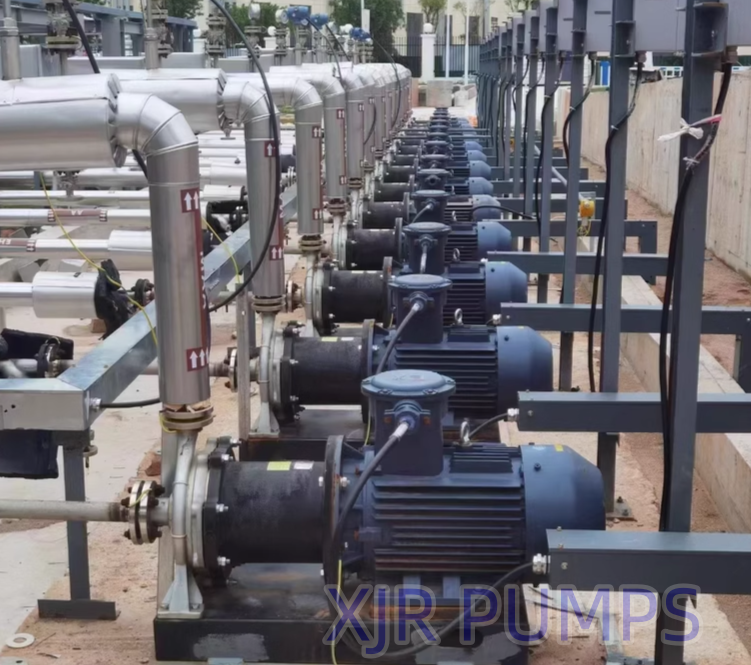
I. Recommended Materials (Priority Order)
- PVDF (Fluoroplastic) ✅ First choice; resistant to sodium hypochlorite and crystallization, cost‑effective
- PP (Polypropylene) Suitable for normal temperature and low pressure; prone to aging at high temperature or long‑term service
- 316L Stainless Steel Usable at normal temperature; not recommended for high temperature or high concentration due to pitting corrosion
- Titanium Alloy Best corrosion resistance, high cost; for high‑pressure and high‑temperature working conditions
❌ Forbidden materials: Cast iron, carbon steel, copper, ordinary rubber (oxidized and cracked easily)
II. Recommended Pump Types (Proven Options)
1. Self‑priming Pump (Most common for dosing & transfer)
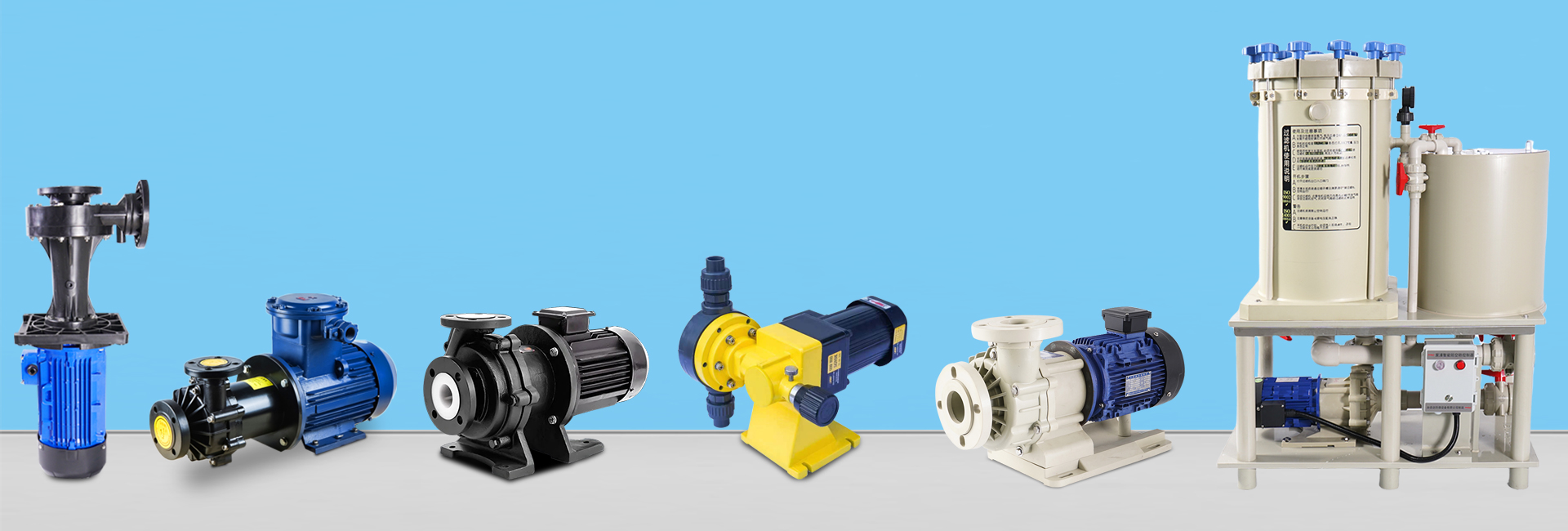
- PVDF fluoroplastic self‑priming pump: Non‑clogging, self‑priming; ideal for 10% sodium hypochlorite dosing and transportation
2. Magnetic Drive Pump (Zero leakage, top recommendation)
PVDF magnetic pump: No shaft seal, leak‑free. Safe for volatile and toxic sodium hypochlorite.
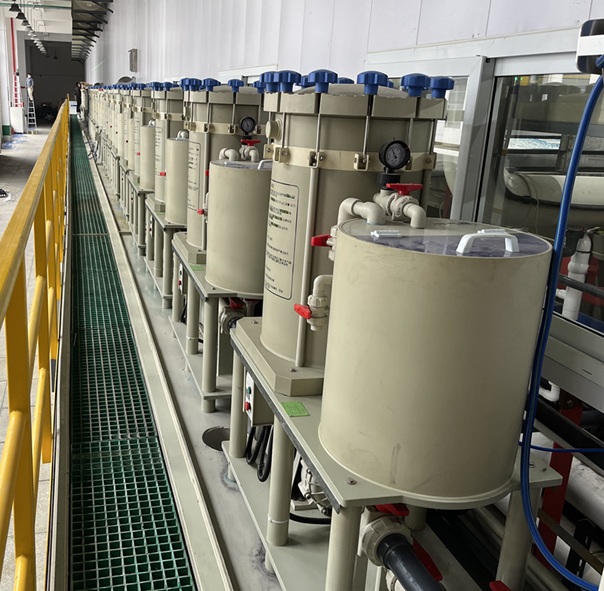
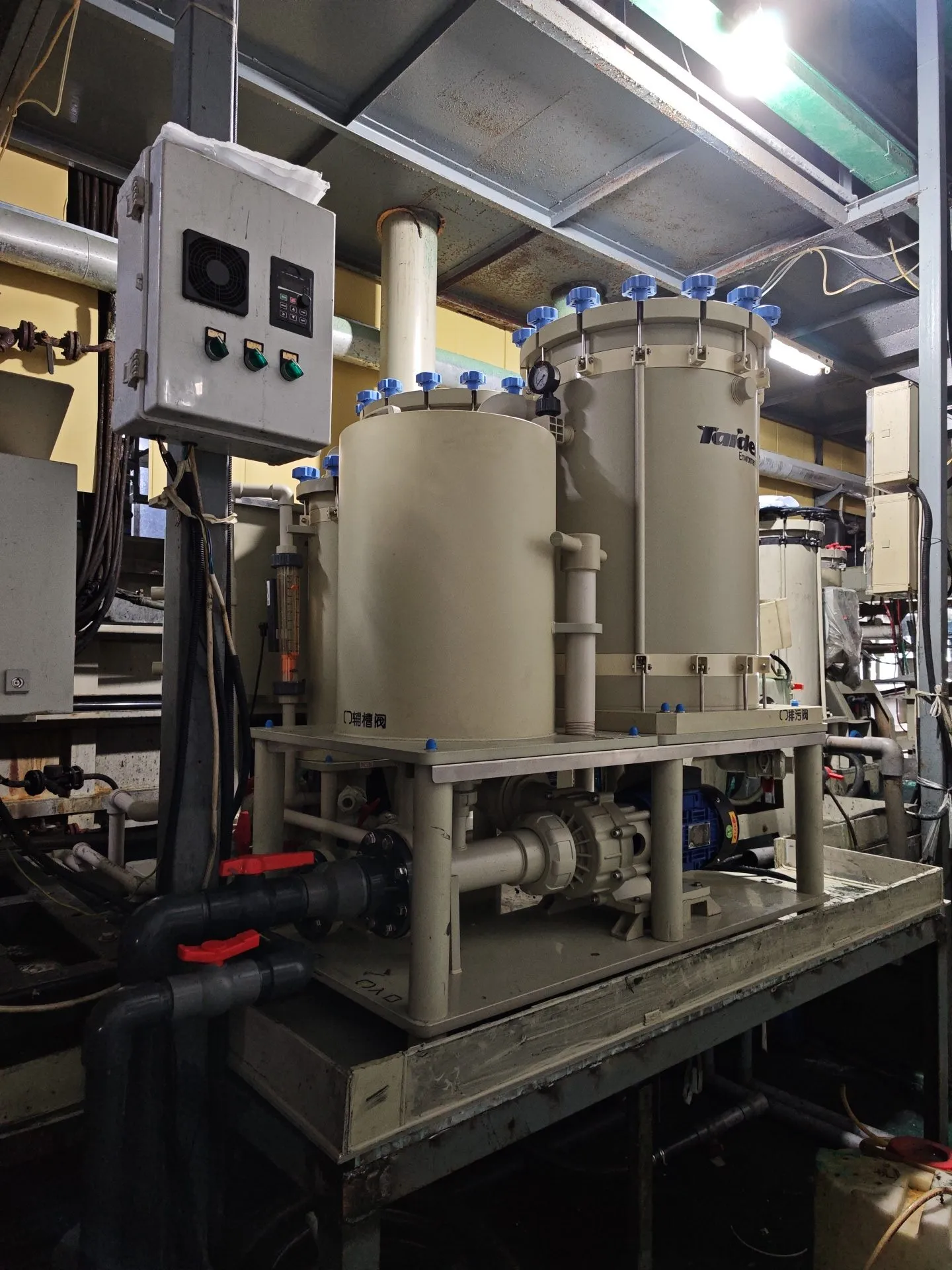
Applications: Dosing systems, wastewater treatment, chemical transfer
3. Metering Pump (Precise dosing)
Mechanical diaphragm metering pump with PVDF pump head
For wastewater treatment, pool disinfection and chemical feeding
III. Not Recommended
- Ordinary centrifugal pumps (cast iron / 304): Fast corrosion and liquid leakage
- Ordinary rubber seals: Use Viton (FKM) only; nitrile rubber and natural rubber are prohibited
IV. Quick Selection Rule
For 10% sodium hypochlorite at normal temperature → PVDF magnetic pump / PVDF self‑priming pump with Viton seals