

(NaOH, Sodium Hydroxide – complete version with material, pump type, temperature limits, taboos & application scenarios)
25% caustic soda is a medium‑concentration strong alkali. Its corrosiveness is moderate at room temperature but increases sharply with temperature, and there is a high risk of caustic stress corrosion cracking. The core selection factors are operating temperature, self‑priming requirement, pressure, leakage tolerance and working conditions. Below is the detailed breakdown.
I. Priority of Core Materials (Most Critical)
1. Room‑temperature service (≤60 °C, for 90% field applications)
- PVDF (Polyvinylidene Fluoride) – Top choice. Excellent resistance to 25% caustic soda, cost‑effective, wear‑resistant and anti‑aging. Suitable for self‑priming pumps, magnetic drive pumps and centrifugal pumps.
- PTFE (Polytetrafluoroethylene / Teflon) – Highest corrosion resistance with zero‑corrosion risk. Ideal for long‑term continuous operation, chemical dosing and precision transfer.
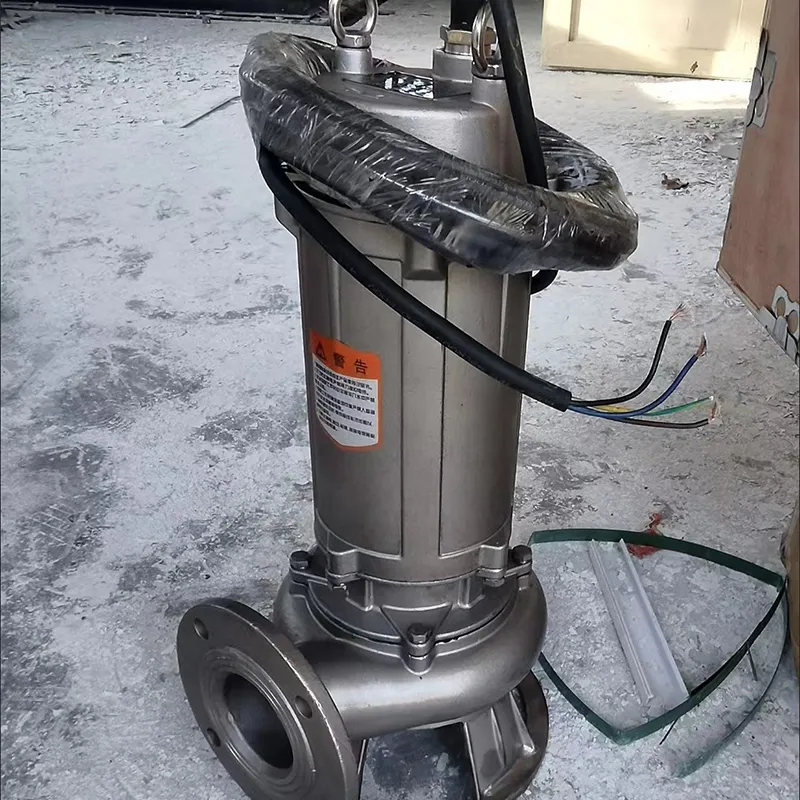
- 304 Stainless Steel – Usable at room temperature with low cost. FORBIDDEN above 60 °C due to rapid caustic cracking and perforation.
- PP (Polypropylene) – Short‑term use only. Prone to swelling and aging over time. Not recommended for long‑term 25% caustic soda transfer.
2. Medium‑high temperature service (60–95 °C)
- 316L Stainless Steel – Dedicated grade against caustic embrittlement; preferred metal material for high‑temperature strong alkali.
- PTFE‑lined pumps (F46) – Non‑metallic pumps resistant to high‑temperature strong alkali with zero leakage.
- 304 Stainless Steel strictly prohibited – Rapid corrosion occurs with 25% hot caustic soda.
3. Forbidden Materials
- Cast iron & carbon steel: Corrode rapidly even at room temperature – strictly prohibited.
- Ordinary rubber gaskets: Swell in caustic soda. Must use FKM fluororubber or PTFE gaskets.
II. Detailed Pump Types & Applications
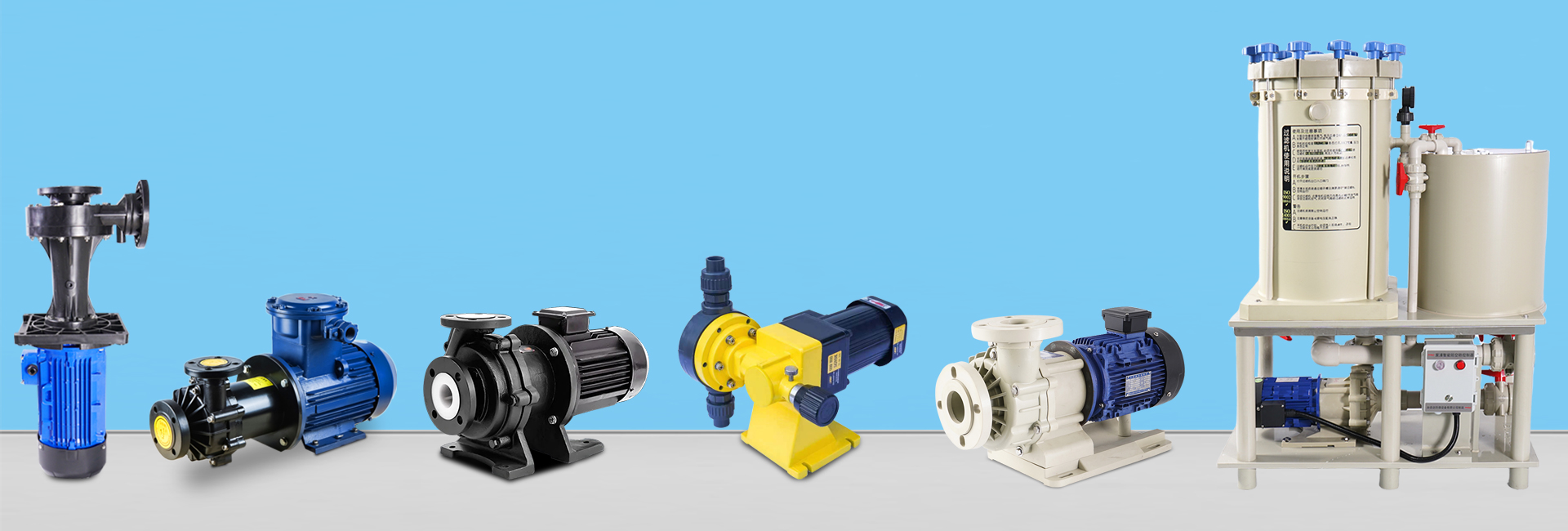
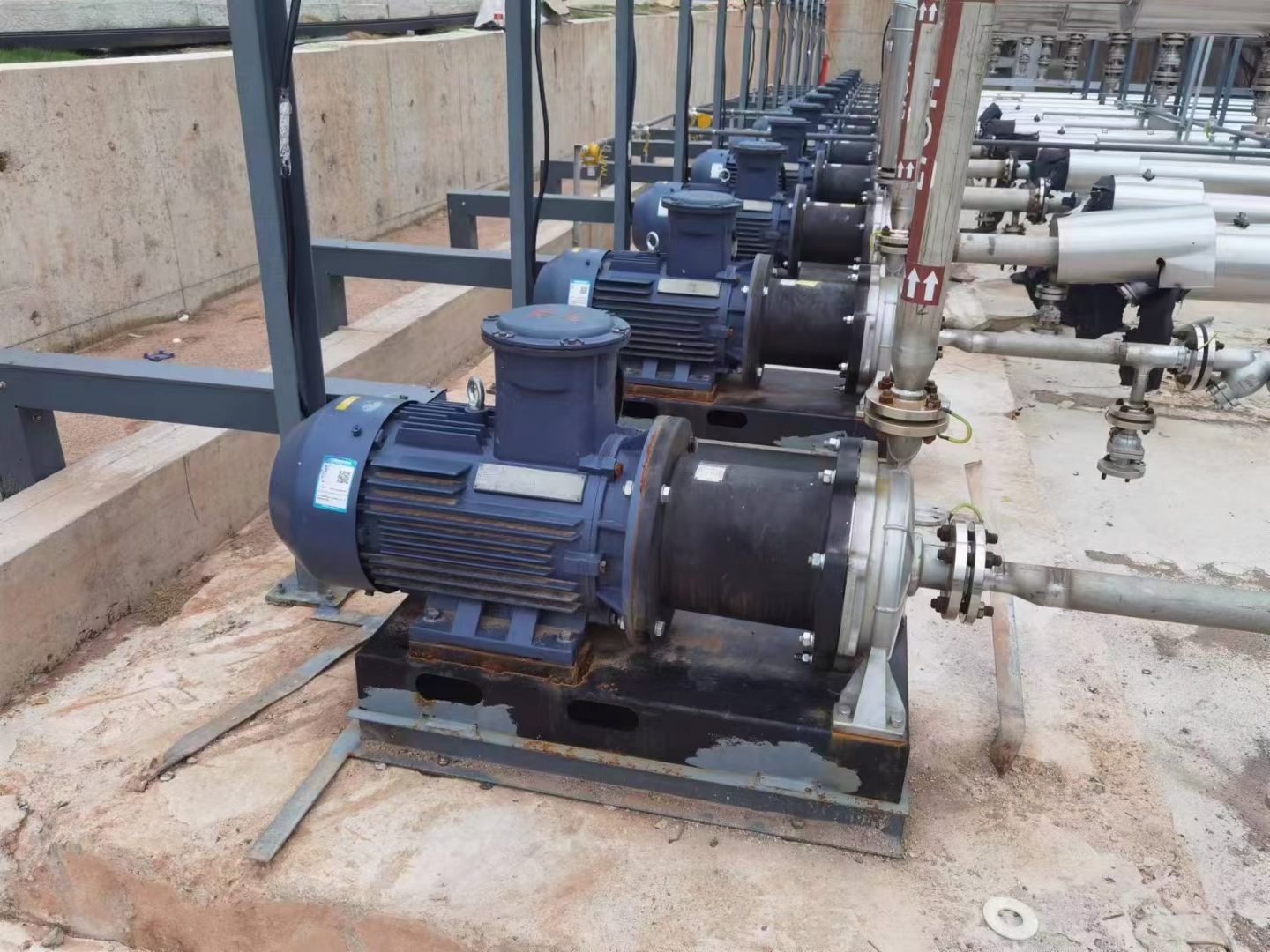
1. Magnetic Drive Pumps (Leak‑free, top for dosing / circulation / precision transfer)
- Materials: PVDF / PTFE magnetic pumps (room temperature); 316L magnetic pumps (high temperature)
- Advantages: No shaft seal, zero leakage, safe for closed transfer, chemical dosing and reactor circulation.
- Limitations: Dry‑run forbidden; intolerant of excessive solid particles.
- Applications: 25% caustic soda dosing, tank circulation, low‑flow transfer.
2. Self‑priming Pumps (Tank unloading, drum pumping – most widely used)
- Models: ZX fluoroplastic self‑priming pumps, FPZ self‑priming pumps
- Material: PVDF pump body with FKM fluororubber shaft seal
- Advantages: Self‑priming design, no pre‑priming required. Suitable for tanker unloading, drum caustic extraction and long‑distance transfer.
- Temperature: PVDF for ≤60 °C; 316L self‑priming pumps for above 60 °C.
3. Centrifugal Pumps (High‑flow pipeline transfer, circulation systems)
- Room temperature: IHF PTFE‑lined centrifugal pumps, PVDF centrifugal pumps
- High temperature: IH centrifugal pumps in 316L stainless steel
- Applications: Plant pipeline transfer, high‑flow circulation, spray systems.
4. Vertical Pipeline Pumps (Space‑saving, direct pipeline connection)
- Room temperature: PVDF vertical pipeline pumps
- High temperature: 316L vertical pipeline pumps
- Applications: Fixed‑line pressure boosting and circulation.
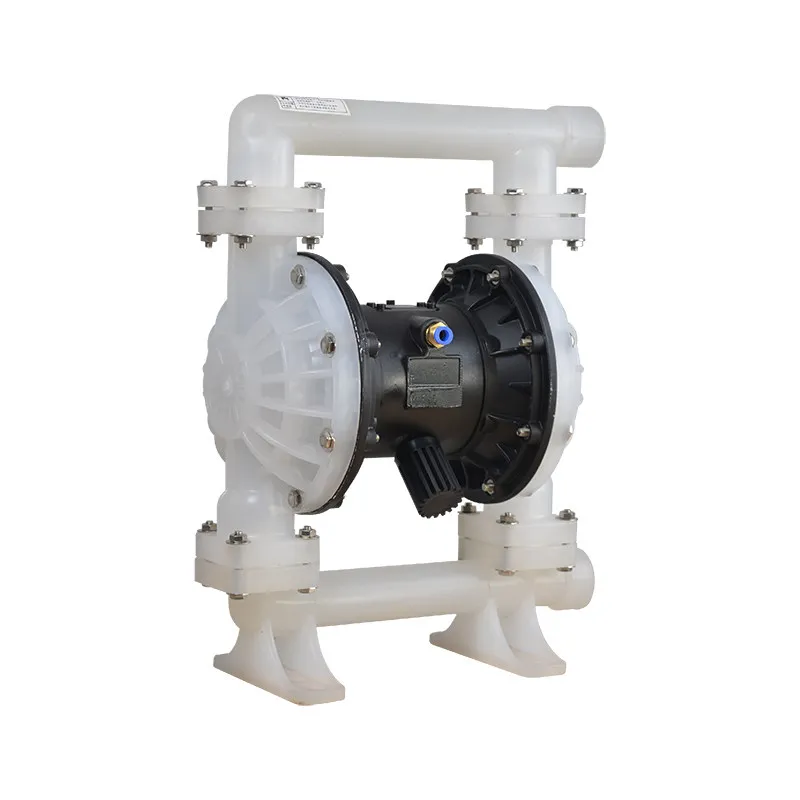
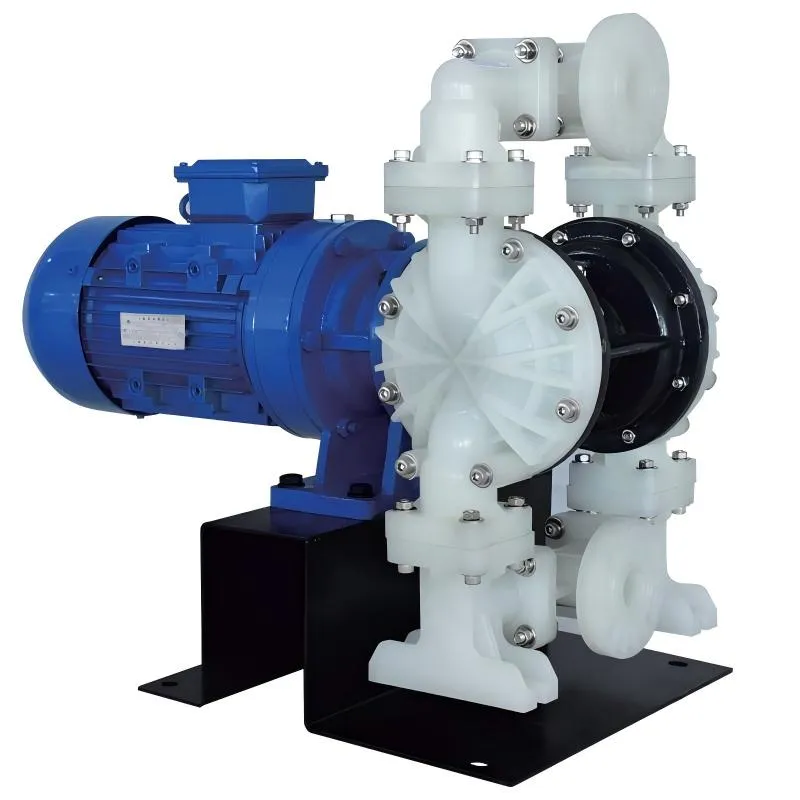
5. Air‑operated Diaphragm Pumps (Viscous / particle‑containing liquid, explosion‑proof service)
- Materials: PVDF / 316L pump body with PTFE diaphragms
- Advantages: Dry‑run tolerant, handles minor solids, explosion‑proof. Suitable for hazardous areas and intermittent transfer.
- Applications: Caustic unloading, waste liquid transfer, explosion‑proof workshops.
III. Application‑based Quick Selection Guide
- ≤60 °C, low‑flow dosing, leak‑free service: PVDF / PTFE magnetic drive pump
- ≤60 °C, tanker / drum unloading: PVDF fluoroplastic self‑priming pump
- ≤60 °C, high‑flow pipeline transfer: IHF PTFE‑lined centrifugal pump
- 60–95 °C, all services: 316L stainless steel pump
- Explosion‑proof, particle‑containing, intermittent transfer: Air‑operated diaphragm pump (PVDF / 316L)
- Low‑budget short‑term room‑temperature service: 304 centrifugal pump (≤60 °C only)
IV. Matching Accessories & Operational Precautions
- Seals: Use only FKM fluororubber or PTFE; nitrile rubber / natural rubber are forbidden.
- Dry‑run forbidden: Magnetic drive pumps and centrifugal pumps must not run dry to avoid mechanical seal burnout.
- Temperature threshold: 316L or PTFE required above 60 °C; 304 strictly forbidden.
- Piping: UPVC / PP pipes for room temperature; 316L pipes for high temperature.
- Solid particles: Diaphragm pumps preferred to avoid magnetic pump clogging.