
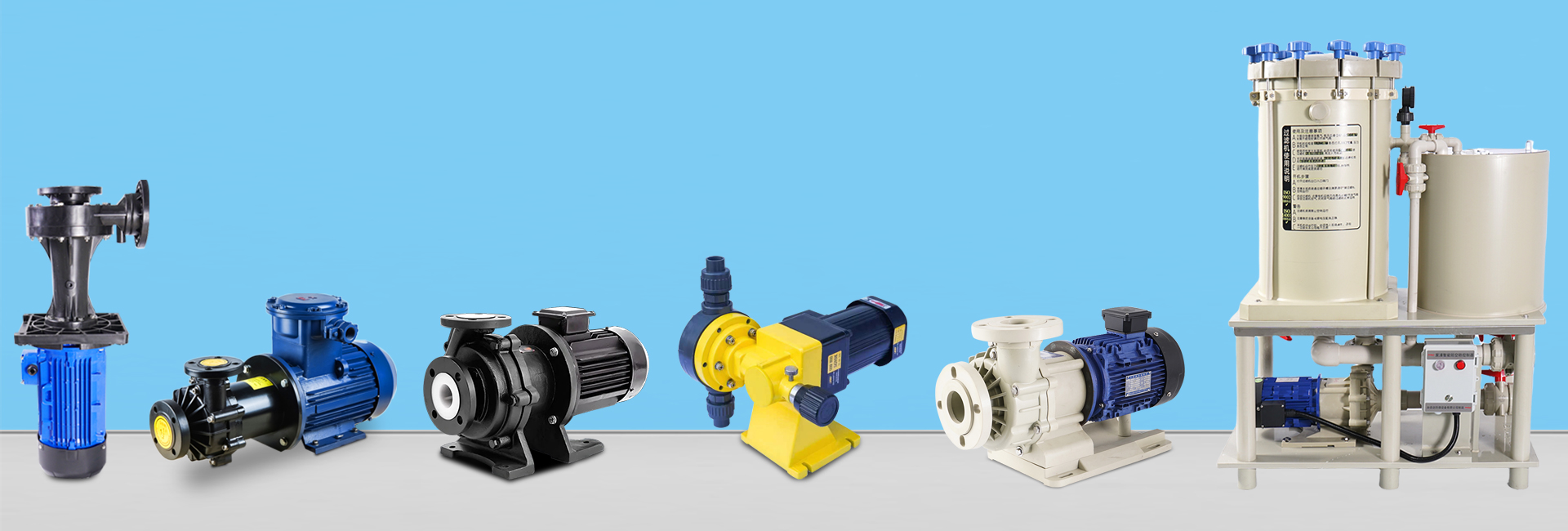
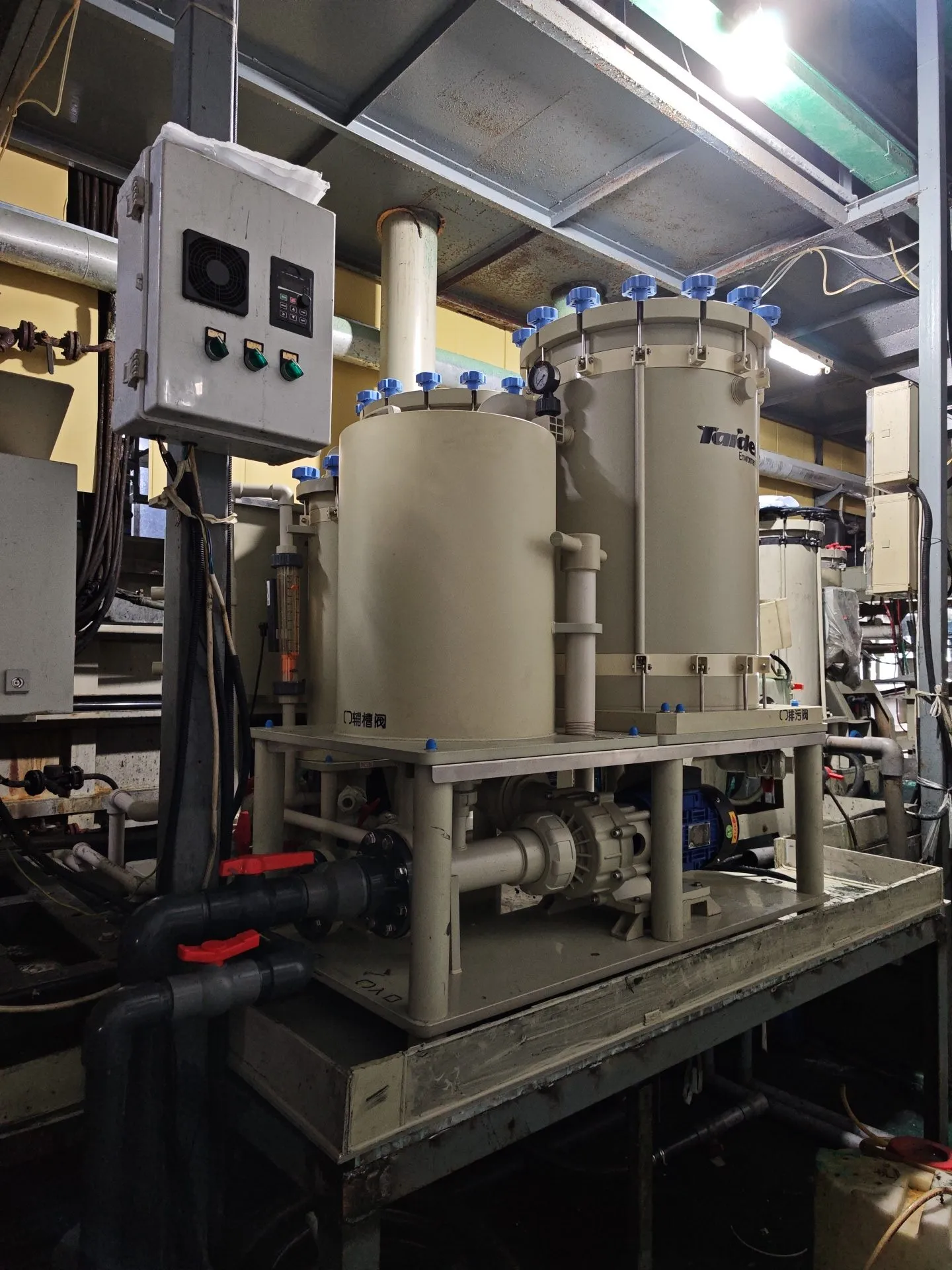
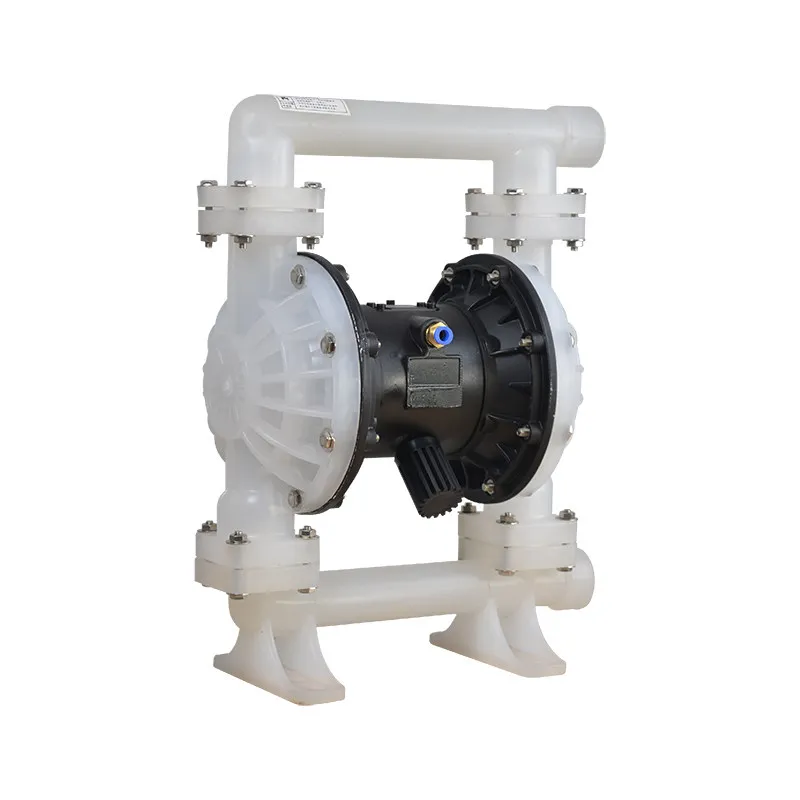
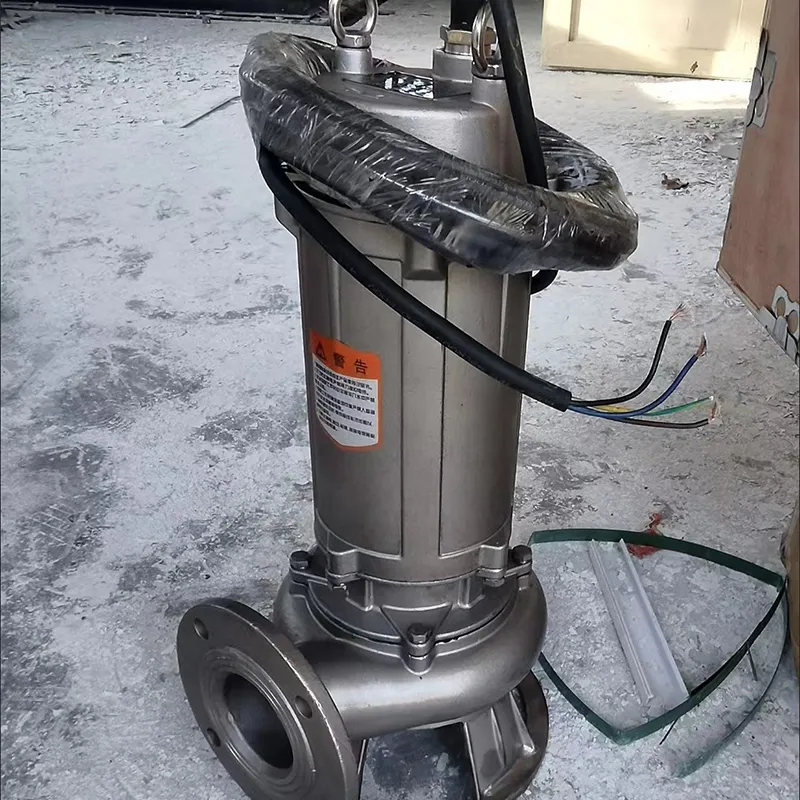
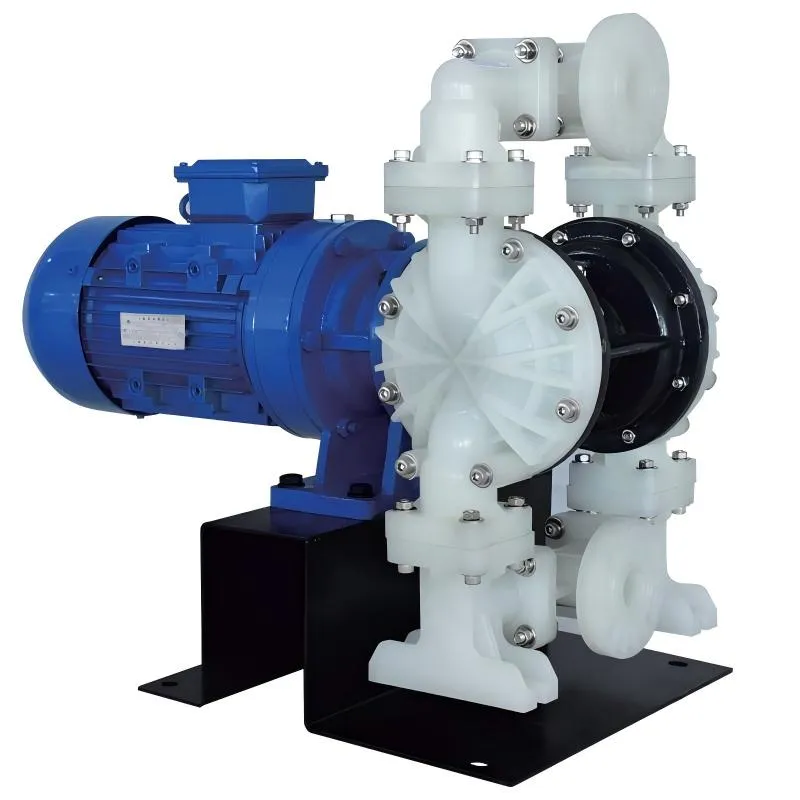

Core principles for electroplating filter selection: corrosion-resistant materials, matched flow rate, adapted filtration accuracy, and reliable structural performance. Follow the 5-step process (chemical solution → tank specification → filtration precision → functional configuration → daily maintenance) to select the ideal model, effectively avoiding common issues such as liquid leakage, chemical corrosion, and insufficient filtration efficiency.
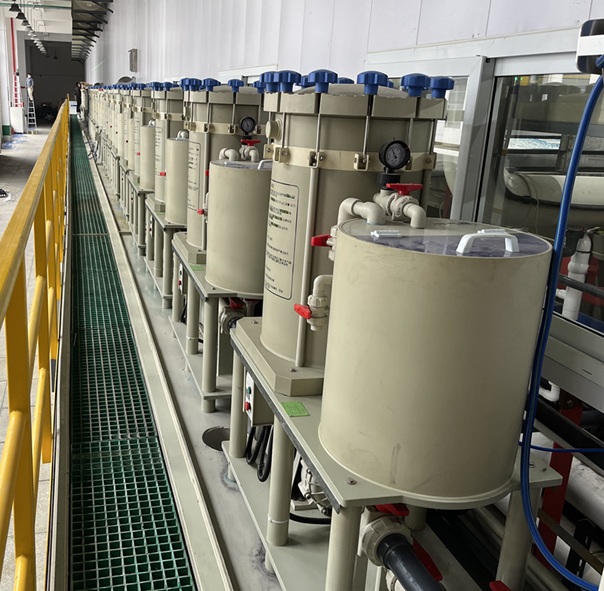
1. Material Selection by Chemical Solution Property (Most Critical)
The chemical solution determines the material of the filter barrel, pump and sealing components. Mismatched materials will lead to cracking, leakage and accelerated corrosion.
1.1 Corrosion Resistance & Temperature Resistance of Common Materials
- PP (Polypropylene): Operating temperature ≤ 70°C; resistant to low and medium concentration acid & alkali. Ideal for acid copper plating, nickel plating, zinc plating, trivalent chromium plating and low-temperature electroless nickel plating.
- PVC: Operating temperature ≤ 60°C; excellent resistance to strong acid. Specially designed for hexavalent chromic acid working conditions.
- PVDF (Polyvinylidene Fluoride): Operating temperature ≤ 90°C; withstands high-concentration strong acid and high temperature. Suitable for high-temperature electroless nickel plating, chromic acid and severely corrosive environments.
- Titanium Alloy: Operating temperature ≤ 120°C; ultra-high resistance to heavy corrosion for chromium plating and anodization scenarios, with long service life and premium cost.
- ETFE: Operating temperature ≤ 100°C; comprehensive resistance to strong acid and strong alkali, applied to extreme corrosive working conditions.
1.2 Material Recommendation by Plating Process
| Plating Type & Solution | Recommended Barrel & Pump Material | Max Temperature Limit |
|---|---|---|
| Acid Copper / Nickel / Zinc / Trivalent Chromium | PP + PP | ≤ 70°C |
| Low-Temperature Electroless Nickel | PP Vertical Pump | ≤ 75°C |
| High-Temperature Electroless Nickel | PP Barrel + PVDF Pump | ≤ 90°C |
| Hexavalent Chromic Acid | PVC + PVDF Horizontal Pump | ≤ 60°C |
| Chromium Plating / Anodization | Titanium / PVDF | ≤ 120°C |
2. Flow Rate Calculation Based on Tank Volume
Insufficient flow causes impurity accumulation and coating pinholes; excessive flow leads to high energy consumption and violent liquid surface disturbance.
2.1 Core Calculation Formula
Filter Flow Rate (m³/h) = Tank Volume (m³) × Hourly Circulation Times
- Conventional plating (Copper / Nickel / Zinc): 4–6 cycles per hour
- High-precision plating (Electroless Nickel / Gold / Silver): 6–8 cycles per hour
| Heavy contamination working conditions (Galvanizing / Roughing): ≥ 8 cycles per hour
2.2 Practical Calculation Example
Tank size: 2m × 1m × 1m = 2m³
- Standard demand: ³ (10-ton model)
- High-precision demand: ³ (select 20-ton model, prefer oversized specification)
2.3 Flow Specification Classification
- Small tanks (<0.5m³): 0.3–0.6 m³/h
- Medium tanks (0.5–2m³): 1.2–3.6 m³/h
- Large tanks (>2m³): 6–18 m³/h
3. Filtration Accuracy Selection by Impurity Type
Filtration accuracy refers to the minimum particle size that can be intercepted. Higher precision delivers cleaner liquid but results in faster filter element clogging and higher replacement frequency.
3.1 Precision Matching Standard
| Plating Requirement | Recommended Precision | Filter Material |
|---|---|---|
| High-precision: Electroless Nickel / Gold / Silver | 0.5–1μm | Wound Filter / Pleated Filter Cartridge |
| Conventional: Acid Copper / Nickel Plating | 3–5μm | Wound Filter Cartridge |
| Heavy contamination: Galvanizing / Roughing | 10–20μm | Filter Bag / Coarse Wound Filter |
| Organic impurity & oil removal | Activated Carbon Filter | Dual-Barrel Carbon Filter |
3.2 Common Filter Types
- Filter Cartridge Type: High precision (0.5–20μm), easy replacement, mainstream option for electroplating.
- Filter Bag Type: Large flow capacity, dirt resistance and low operating cost, ideal for coarse filtration.
- Activated Carbon Type: Combined cartridge & carbon filtration to remove oil stains and organic pollutants.
4. Structural & Functional Configuration Selection
4.1 Pump Type Classification
- Horizontal Pump: Standard PP/PVDF material, stable operation and large flow for general electroplating.
- Vertical Pump: Installed inside the tank, zero leakage and high temperature resistance, perfect for electroless nickel plating.
- Magnetic Pump: Shaft-seal free design with zero liquid leakage, suitable for precious and toxic solutions (Gold / Silver plating).
4.2 Leakage Prevention & Safety Design
- Integrated molded barrel with fewer welding seams, equipped with EPDM/FKM corrosion-resistant sealing rings.
- Built-in pressure gauge and safety valve for overpressure protection to prevent filter element damage.
- Dry-run protection device for automatic shutdown to extend pump service life.
4.3 Maintenance-Friendly Design
- Quick-release filter barrel for tool-free and fast filter replacement.
- Modular structure for universal spare parts and low inventory cost.
- Bottom drain outlet for regular residue discharge and reduced clogging.
5. mainstream Model Specifications & Application
- KS Series: Small flow type, PP material, applicable to small plating tanks.
- SKH Series: Medium & large flow, PP/PVDF optional, universal for most electroplating processes.
- CH Series: Chromic acid dedicated model, PVC corrosion-resistant structure for strong acid working conditions.
6. Key Selection Avoidance Tips
- Material priority: PVDF for high temperature & strong acid, professional PVC model for chromic acid; never use PP beyond its tolerance.
- Flow rate: Choose an oversized flow spec rather than an undersized one to ensure sufficient solution circulation.
- Rational precision: Avoid excessive high precision for heavily contaminated liquid to reduce maintenance costs.
- Sealing performance: Integrated barrel and magnetic pump greatly reduce liquid leakage risks.
7. Quick Selection Checklist
- Confirm plating process, solution temperature and pH value → determine shell & pump material.
- Calculate tank volume and hourly circulation times → confirm required flow rate.
- Clarify surface quality standards and impurity characteristics → confirm filtration precision and filter material.
- Select pump type, quick-release structure and safety protection accessories to complete final configuration.